Wake up, this is Joburg!!!

Davies Reading Room Room 2.27, Environmental and Geographical Science, UCT, Cape Town, Western Cape, South Africa

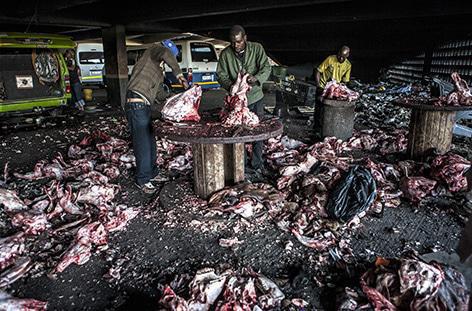
WAKE UP, THIS IS JOBURG: ORDINARY TO OUTRAGEOUS ETHNOGRAPHIES OF URBAN LIFE, is a series of ten photobooks by Tanya Zack and Mark Lewis about the city we hate to love but do anyway. Wake up, this is Joburg tells the stories of ten ordinary, interesting, odd or outrageous denizens of the city of Johannesburg. The series is published by Fourthwall Books (www.fourthwallbooks.com or www.facebook.com/fourthwallbooks). Note:  A limited number of the four titles will be available for sale at the Brown Bag at R150 each, cash only. Tanya Zack will talk to some of the stories of intersections of particular lives, livelihoods and spaces that make up the first four titles in this series. These are: Skop: S’kop  takes readers into a disused parking garage in the inner city, where cow heads are being chopped. It explores the informal business of chopping cow heads the stories of ‘the butchers and traders and entrepreneurs who have made this business uniquely theirs, speak of the hardships of their work in the meat trade and the occasional rewards of making it on their own. Zola: Under the Mooi Street off-ramp is an overflow rank for taxis waiting between peak hours to ferry people between the inner city and Zola, Soweto. Here entrepreneurs cater all day to the needs of drivers from an array of mobile and stationary stalls, selling food and snacks, socks, window wipers, mobile phone attachments and bumper stickers with messages like ‘You also drive like shit so fuck off’. Tony Dreams in Yellow and Blue: In the nondescript working class suburb of Turffontein, which has always hosted migrants, a restless outsider artist is at work transforming his home into a veritable castle of lights, turrets, murals, manikins and stairways. He is an obsessive collector of ‘waste’, but also an entrepreneur whose property is home to 17 rent-paying households. Inside Out: This is a story of low-end globalisation—of food and other commodities traded and retailed informally across South Africa’s borders by people using the same principles as multinationals, but with no formal credit or banking facilities.   Tanya Zack is a town planner. Her major areas of focus have been in housing research and policy development, community participation and evaluation of large scale development projects. She has worked within local government and as a private consultant, both on policy work and in practical projects. She has a close relationship to Wits University where she obtained a PhD for work on critical pragmatism in planning. Tanya grew up in the inner city suburbs of Johannesburg.Her current interest is in the narratives of entrepreneurs working in the Johannesburg CBD. Image credit: Mark Lewis

Radical Incrementalism & Theories/Practices of Emancipatory Change

Studio 3 ENGEO Building, Upper Campus. University of Cape Town,, Cape Town, Western Cape, South Africa

This workshop examines ideas of radical incrementalism across our towns and cities. It seeks to explore theories and practices that can support emancipatory change across urban regions through the power of urban dwellers to challenge poverty, oppression and unjust environments.

Density Syndicate Conference

City Hall Darling Street, Cape Town, South Africa

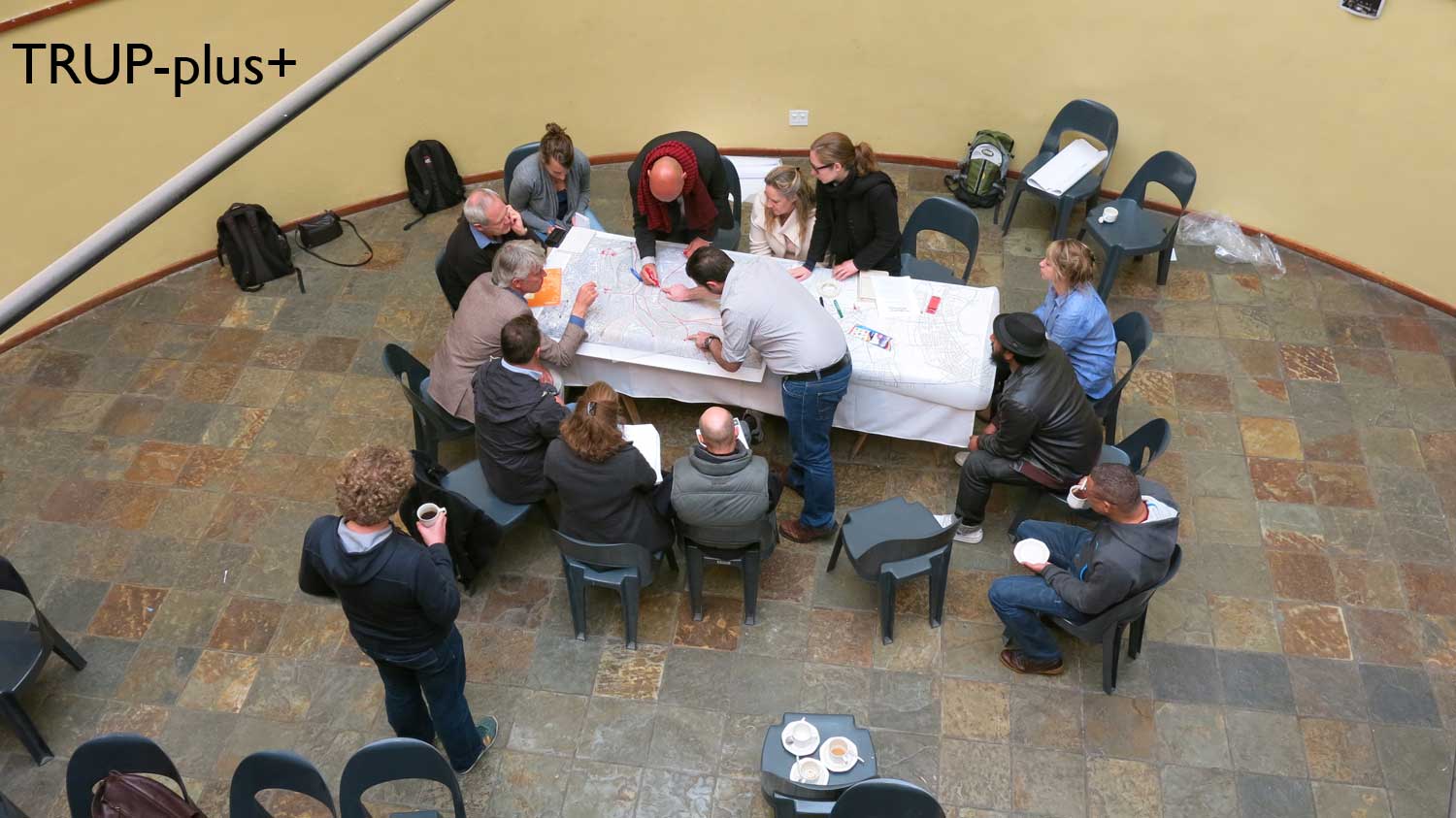
        The Density Syndicate Think Tank invites you to participate in the presentation of a seven-month project by three multi-disciplinary teams of South African and Dutch designers, city officials and researchers looking at the future of three urban sites in Cape Town. As part of the City Desired Exhibition, project contributors, key City officials and a select number of stakeholders will convene on 3 November 2014 at the City Hall to review and discuss findings. Twenty years after democracy, South African cities remain stubbornly divided, fragmented, inconvenient for the poor and uninspiring. This has manifested in cities made up of a patchwork of disconnected business districts, wealthy neighbourhoods, gated communities and poor townships. In the case of Cape Town, the affluent City Bowl and southern and northern suburbs stand in contrast to large swathes of township and informal areas. Despite considerable deracialisation of lower middle-class suburbs, the townships and informal areas remain profoundly mono-functional, racially homogenous and most vulnerable to a multiplicity of risks. It is uncontested that the current situation is socially, economically and ecologically unsustainable, yet, despite the availability of urban design expertise and policy commitment to transformation, we have very few compelling examples of how we can imagine and build our city differently. In order to explore how to address these challenges, ACC and INTI have worked with the City of Cape Town on a series of three speculative studios. By using the combined design intelligence of Dutch and South African specialists, The Density Syndicate has enabled the exploration of innovative, alternative strategies for the future of Cape Town. The symposium will shed light on the proposed scenarios and will invite key stakeholders from local government, academia and mass media to provide feedback on their appropriateness, viability and desirability. The format provides a platform for authors to exhibit the proposal and for  key ‘respondents’ to immediately interrogate proposals and raise questions for debate. Animated deliberations are expected to set the tone for an enlightening symposium. The sites studied by the Density Syndicate are the following: LOTUS PARK Lotus Park is a small informal settlement situated between the Khayelitsha-Cape Town train line and the Lotus River Canal. Lotus Park is adjacent to western forecourt of the Nyanga Junction station. The Lotus Park team focused on: maintaining existing density to avoid any relocation; consider how best to optimise mixed use (economic, social and cultural) planning; taking the Lotus River into account in advancing sustainability planning principles. MAITLAND Voortrekker Road stretches around 15km from Woodstock in central Cape Town, through Maitland, Goodwood, and Parow to Bellville. It is a busy transport corridor between Bellville and the CBD and is lined with a range of small businesses and light industry. Of particular interest to this project is the Maitland stretch of the corridor. There is a significant unrecognised African immigrant population living and running small businesses in the area and offers another kind of opportunity for exploring density and diversity in Cape Town. In particular, it offers an opportunity to explore a different model of urban regeneration to what has unfolded in the Woodstock and Salt River stretches, anchored by creative industries and high-end retail and fine dining. TRUP-PLUS + GREENFIELDS STRIP The TRUP-plus+ site is a greenfield strip that includes the Two Rivers Urban Park and the Athlone Power Station. Situated halfway between the airport and the Cape Town CBD, the decommissioned Athlone Power Station site is uniquely located between three very different suburbs: Pinelands, a predominantly middle class ‘white’ suburb; Athlone, a predominantly ‘coloured’ neighbourhood’; and Langa, a largely poor ‘black’ area. The TRUP-plus+ offers a unique opportunity of experimenting with possibilities of social integration at the nexus of these suburbs. The Density Syndicate held two studios: one in May and one in July 2014. Participants include representatives from: African Centre for Cities (SA); Cape Town Partnership (SA); City of Cape Town Spatial Planning & Urban Design (SA); Community Organisation Resource Centre (SA); dhk urban (SA); Doepel Strijkers (NL); H+N+S Landscape Architects (NL); International New Town Institute (NL); Jakupa architects + urban designers (SA); Land+Civilization Compositions (NL); Provincial Department of Human Settlements (SA); Sustainability Institute (SA); Urban Water Management Research Unit (SA); Violence Prevention through Urban Upgrading (SA); Witteveen+Bos (NL); Uberbau (GER); NL Architects (NL). Conference Programme will be uploaded soon. Watch this space!   The Density Syndicate is a think-tank initiative by the African Centre for Cities (ACC), International New Town Institute (INTI), and in collaboration with the City of Cape Town and Violence Prevention through Urban Upgrading (VPUU). It has been made possible by the City of Cape Town, the Dutch Creative Industries Fund, the Ministry of Foreign Affairs of the Netherlands and the Netherlands Consulate General, Cape Town. It is also a programmatic component for NL@WDC2014, an initiative of the Netherlands Consulate-General in Cape Town. Follow us on Facebook and Twitter @ through #DensitySyndicate or #WDC234

Kapuscinski Development Lecture: Aromar Revi

Lecture Hall 3B, New Snape Building University of Cape Town, Cape Town, South Africa

Putting the Urban at the Heart of the 2030 Sustainable Development Goals The Millennium Development Goals are expiring and need to be replaced with a new set of globally applicable and locally implementable Sustainable Development Goals (SDGs) for 2030. Climate Change negotiations are stalled and need a more determined and pragmatic approach if run-away impacts are to be avoided. It is clear that a different economic, social and human development path must be established to ensure greater sustainability and inclusion of all citizens into productive economic life and well-being. Cities and regions across the world provide the opportunity to do this. Africa and Asia are at the centre of the urban, social and economic transitions that the world will witness over the next two decades. It is important that we see political imaginations and leadership from these geographies that address local, regional and global themes. The lecture will interest policy makers, activists, business leaders, journalists and academics.  About the speaker: Aromar Revi is Director of the Indian Institute for Human Settlements (IIHS) India’s prospective independent national University for Research & Innovation addressing its challenges of urbanisation. He has been a senior advisor to various ministries of the Government of India, and has consulted for a wide range of UN, multilateral, bilateral development and private sector institutions. He is a member of the Leadership Council of the UN Sustainable Development Solutions Network (SDSN), co-chair of its urban thematic group, and a Fellow of the India China Institute at the New School, New York. A global expert on sustainable urban development, he has co-led a successful international campaign for an urban Sustainable Development Goal (SDG) as part of the UN’s post-2015 development agenda, which brought the major global urban institutions and over 200 cities and institutions together. He has led over 100 major research, consulting and implementation assignments in India and abroad. He has helped structure, design and review development investments in excess of $8 billion, including housing and urban development plans for two-thirds of India’s 29 states in the 1990s. Besides being part of multiple international projects in 6 countries, he has worked on 3 of the world’s 10 largest cities, and with communities across 25 Indian states. A leading expert on Global Environmental Change especially on Climate Change adaptation and mitigation, he is one of the Coordinating Lead Authors for the Urban Areas section of the IPCC 5th Assessment report (2014), and co-PI of an international Climate Adaptation research programme than spans India and Africa. He is one of South Asia’s leading disaster mitigation and management experts and has led emergency teams to assess, plan and execute recovery and rehabilitation programmes for 10 major earthquake, cyclone, surge and flood events affecting over 5 million people, and serves on the Advisory Board of the UNISDR Scientific & Technical Advisory Group and its Global Assessment of Risk. The Kapuscinski Development Lectures are a series of high-level lectures focused on development-related issues organized jointly by the United Nations Development Programme, the European Community and leading universities and think-tanks. There have been over 50 lectures by top development thinkers since 2009. The lectures honour Ryszard Kapuscinski, the celebrated Polish writer and journalist who covered developing countries. Past lectures have been delivered by, among others, Aung San Suu Kyi, Ashraf Ghani, Jagdish Bhagwati, Helen Clark, Jan Pronk, Jeffrey Sachs, José Antonio Ocampo, Kamal Dervis, Mark Malloch-Brown, Michelle Bachelet and Paul Collier.  See: http://kapuscinskilectures.eu The Kapuscinski Development Lecture in Cape Town is a joint initiative of the European Commission, the United Nations Development Programme, the African Centre for Cities, and the University of Cape Town. The project is funded by the European Commission. Please take your seats from 5:45 as the lecture is being streamed live and will start at 6:00 promptly. RSVP maryam.waglay@uct.ac.za using subject line "Kapuscinski Development Lecture"               

AAPS 2014 Conference

Lagoon Beach Hotel Lagoon Gate Drive, Milnerton, Cape Town, Western Cape, South Africa

The Association of African Planning Schools (AAPS) is hosting its fourth all-schools conference in 2014. The conference theme is ‘African Urban Planning and the Global South: Pedagogy, Research, Practice’. The AAPS 2014 Conference will address the central themes and problems of African urbanization. It will focus on developing our understanding of these issues, and how planning curricula can respond to them. While the conference is focused on sub-Saharan Africa, the discussion will be extended to other contexts in the global South. AAPS 2014 will feature keynote presentations from a number of international experts on cities and urbanization in Africa and the global South, including Edgar Pieterse (African Centre for Cities), Oren Yiftachel (Ben-Gurion University) and Colin MacFarlane (Durham University). The conference is aimed at urban planning educators, researchers and practitioners seeking to enhance their knowledge of the contemporary issues and debates surrounding African and Southern cities and urbanization. It will also appeal to other built environment professionals, as well as academics in related disciplines with an interest in urban issues. This is the first time that the AAPS conference will be open to wider attendance. AAPS welcomes submissions from those outside Africa working on urban issues in the global South.

Sanitation politics in Mumbai and Cape Town

Davies Reading Room Room 2.27, Environmental and Geographical Science, UCT, Cape Town, Western Cape, South Africa

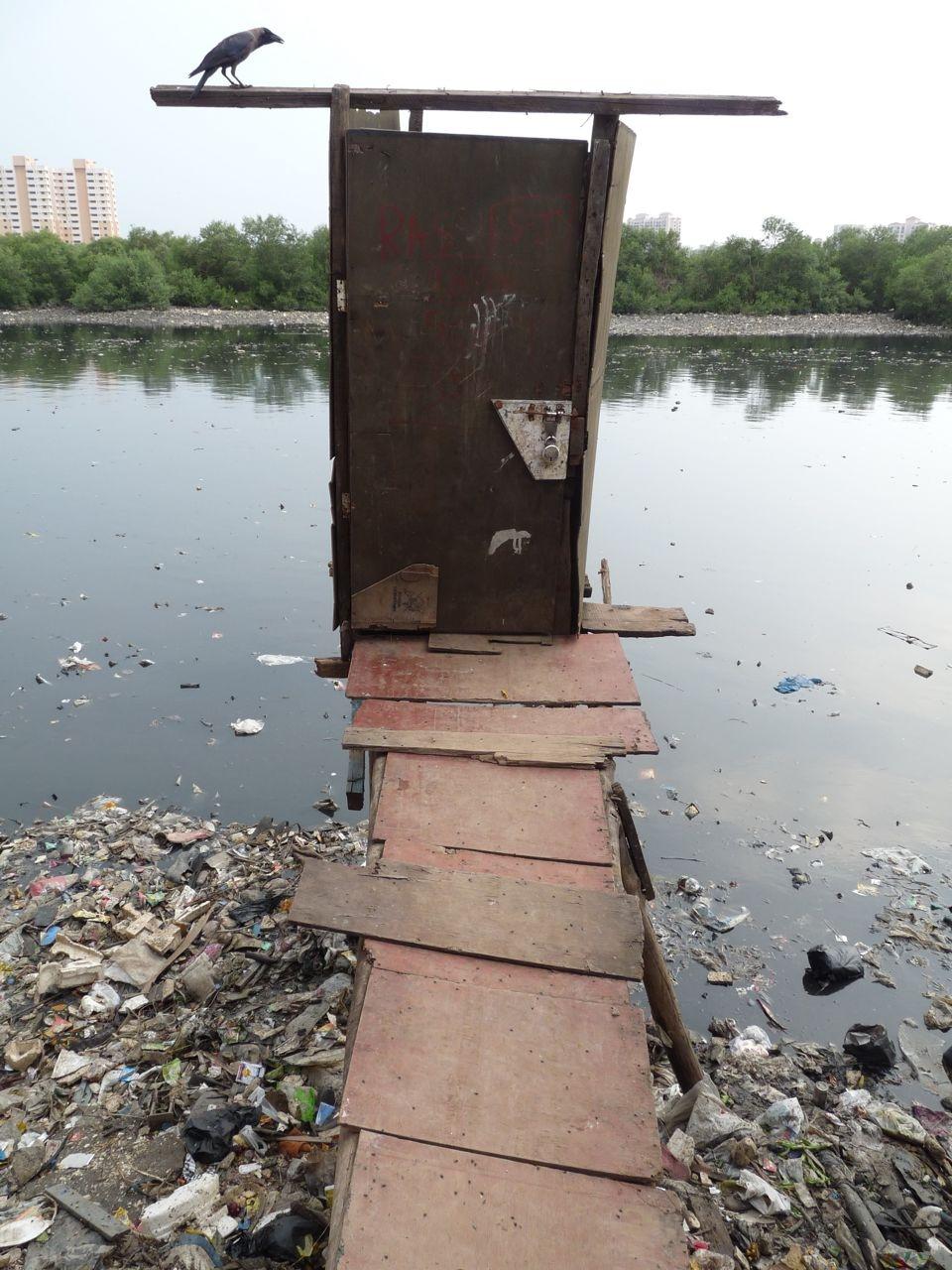
In this talk, Colin McFarlane and Jonathan Silver will reflect on  their past work in Mumbai and their new research on the politicisation of sanitation in Cape Town, with particular reference to the ‘poo protests’. Colin will reflect on his work in the politics of sanitation in Mumbai's informal settlements. He will draw out some key processes through which sanitation is organised in Mumbai, and the politics around that, as well highlighting some of the theoretical challenges the research presented for thinking about infrastructure and other strands of urban theory.   He will also briefly reflect on emerging work on the politics of sanitation in Cape Town. Their aim is to deepen understanding of how sanitation is politicised in cities, and to contribute to debate and ongoing work on sanitation politics in Cape Town. The objectives are to: examine why and how the ‘poo protests’ emerged in Cape Town; investigate why they took the form that they did; and contextualise the protests in the wider debates about service delivery, urban politics, and social justice in Cape Town.  They will conduct the research through interviews with a range of relevant actors including residents, civil society groups, municipal officials, academics and political parties. The research builds on McFarlane’s work in India on the politics of urban sanitation, and Silver’s work on the politics of urban infrastructure in South Africa. These previous research projects examined often ignored everyday experiences of sanitation and infrastructure and used the findings in discussions with municipal officials and civil society groups. Colin McFarlane is an urban geographer whose work focusses on the experience and politics of informal neighbourhoods. This has involved research into the relations between informality, infrastructure and knowledge in urban India and elsewhere. A key part of this has been a focus on the experience and politics of sanitation in informal settlements in Mumbai, which was part of an Economic and Social Research Council ethnographic project on the everyday cultures and contested politics of sanitation and water in two informal settlements. His current work examines the politicisation of informal neighbourhoods in comparative perspective, including African and South Asian cities.

POSTPONED!! Speculative Design Ecologies: exploring relations between humans, non-humans, and artificial systems

Davies Reading Room Room 2.27, Environmental and Geographical Science, UCT, Cape Town, Western Cape, South Africa

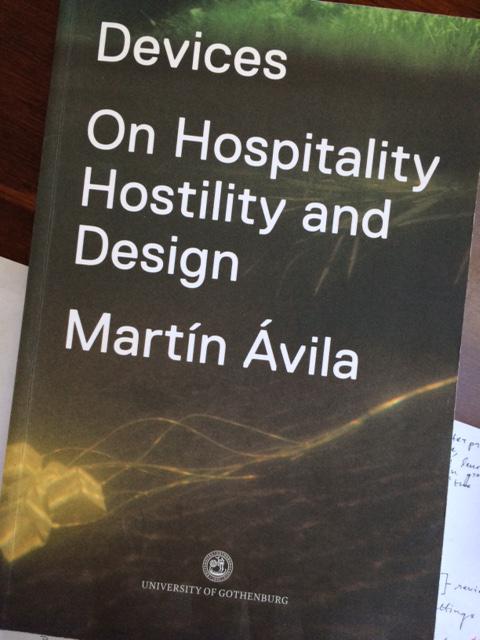
THIS EVENT IS POSTPONED UNTIL FURTHER NOTICE Speakers: Dr. Martín Ávila (Design for Sustainable Development at Konstfack Art and Design Institute in Stockholm) and Dr. Henrik Ernstson (African Centre for Cities, University of Cape Town & KTH Environmental Humanities, Division of History of Science, Technology and Environment, KTH Royal Institute of Technology, Stockholm).    Based in the emergent practices around speculative design, the seminar will depart from Dr. Martín Ávila’s thesis “Devices” that explored the notion of hospitality and hostility in design ecologies, i.e. the assemblages between human and non-human agents that have emergent properties which we cannot fully control. This will lead into a discussion of the present project “Tactical Symbiotics”  to which Dr. Henrik Ernstson is also contributing. The  project Tactical Symbiotics searches for tactics that can reinforce the interdependence between cultural and biological variation and diversity through cooperation and/or togetherness between humans and non-humans. Move beyond the comfort zone: three speculative designs During 2014, Dr. Ávila has worked in Argentina and developed three sub-projects called Doomestics, Dispersal Machines, and Spices/Species. These projects  are organized around questions such as: What if individual households would become parts of a decentred industry that capitalises on humans’ negative emotions to certain animals? What if agricultural machines would maintain the diversity of local ecosystems, helping birds and insects pollinate and fertilize, while producing food for humans? What if we could develop affection for insects and parasitoids that participate in the lifecycles of domestic plants? The projects are design-driven and uses speculative philosophy to make explicit alternative versions of the present or near future. By focusing on relations between humans and natural-artificial systems, the projects strives to de-centre anthropocentric viewpoints to become a platform from which to provoke a possibility to reimagine everyday life. Doomestics work with the tension established by the ecological need (if we are to maintain biological diversity) to cohabit with beings that are perceived as dangerous, undesirable or disgusting. Among them, spiders, scorpions and bats, to name a few. The project stages a series of products that make these beings visible and integrate them in different ways to everyday urban life. Dispersal Machines proposes interventions in agricultural systems that most humans have no direct relationship to. This project conceives machines that complement, supplement and/or maintain the activities of beings that participate in different natural processes such as the dispersion of seeds or pollen, or the secretion of nutrients to the soil. Spices/Species addresses an intimate level of human relationship with nonhuman beings. This concerns plants eaten as food or used for medicinal purposes and the ecosystem functions they perform through forms of symbioses with, for example, insects and parasitoids. The projects sketch and engage a diversity of responses that range from the intimate, to completely detached human-nonhuman relations. They still have in common that they affect the diversity of, and our relationship to, urban and agro-ecosystems. By confronting us with alternative realities—and alternative emotions, feelings and shivers—the project aims to open up new, and perhaps surprising ethical and moral dimensions to revalue and re-evaluate our present relations with non-humans.   The project strives to formulate a different response to our planetary ecological crisis than those strategies that often sort under terms like “ecosystem services” or “natural resources”. One inspiration for the project can be found in how Michel De Certeau spoke of tactics as practices that evade strategies of power. The seminar will present underlying theory and practical design projects. ---- Martín Avila is a Researcher, and Senior Lecturer in Design for Sustainable Development at Konstfack in Stockholm, Sweden. Martin obtained a PhD in design from HDK (School of Design and Crafts) in Gothenburg, Sweden, and has published his thesis entitled Devices. On Hospitality, Hostility and Design (2012). The PhD work was awarded the 2012 prize for design research by the The Swedish Faculty for Design Research and Research Education. Currently working (2013-2016) on a postdoctoral project financed by the Swedish Research Council: Symbiotic tactics. Design interventions for understanding and sensitizing to ecological complexity.    

“Not in my neighbourhood” – Filmscreening and Discussion

City Hall Darling Street, Cape Town, South Africa

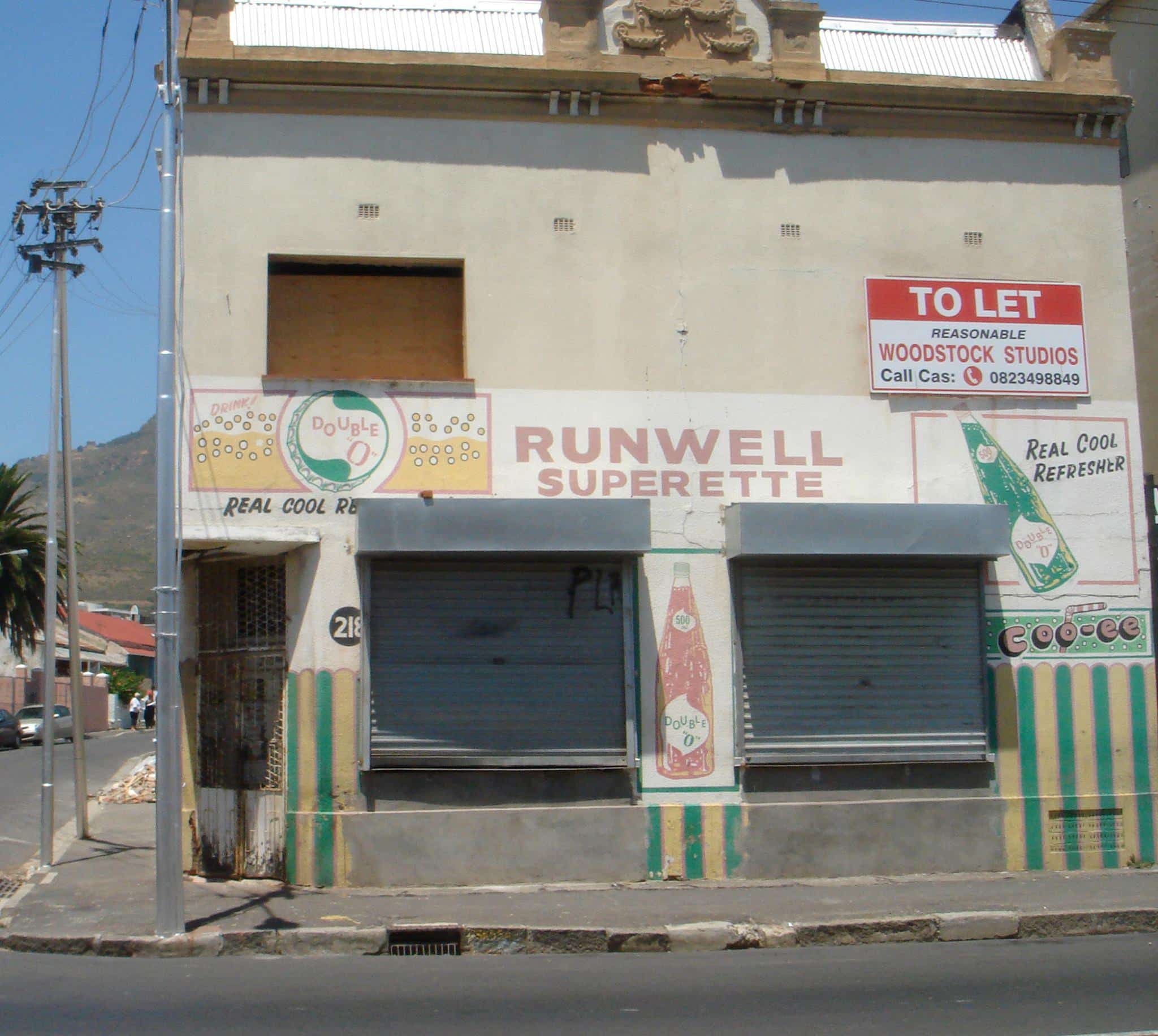
FREE ENTRY Post-apartheid Woodstock is one of the few areas where low-income residents have been able to maintain a foothold close to inner-city work opportunities and cultural amenities. However, the area’s historic cultural fabric and socio-economic diversity are increasingly threatened by soaring property prices that tend to make life for long-term tenants more and more unaffordable. In light of the adverse effects of this process known as ‘gentrification’, we would like you to participate in a dialogue, inspired by the international documentary “Not in my neighbourhood” by Kurt Orderson. This event will also be an opportunity to share stories and personal experiences, as well as to explore alternatives for more inclusive urban development in Woodstock and Cape Town at large. As part of this event we will have: Kurt Orderson – Filmmaker Mohammed Rahim (Rashied) – Woodstock Community Member (respondent to film preview) Jodi Allemeier -Moderator and facilitator

Migration and Informality Workshop

UCT Seminar Room 1 Chemical Engineering, UCT Upper Campus, Cape Town, Western Cape, South Africa

The ACC, SAMP, GCRO, IMRC, Eduardo Mondlane University, Queens University (Canada) and Wilfred Laurier University will be hosting a dissemination workshop at UCT to present the findings from a recent multi-country research project that examined the role of migrant entrepreneurs in South Africa, Mozambique and Zimbabwe. This dissemination workshop will present the results of the IDRC-funded Growing Informal Cities project, which examined and profiled the role of migrant entrepreneurship in South Africa, Mozambique and Zimbabwe. The project was conducted jointly by the African Centre for Cities (University of Cape Town), the Southern African Migration Programme (SAMP), the Gauteng City Regional Observatory (GCRO), Eduardo Mondlane University and the International Migration Research Centre (IMRC). Interviews and surveys were conducted in Cape Town, Harare, Johannesburg and Maputo with migrant entrepreneurs and cross border traders to better understand the linkages between migration, informality, inclusive growth and violence against migrant-owned businesses.

Hungry Cities Partnership Meeting

UCT Seminar Room 1 Chemical Engineering, UCT Upper Campus, Cape Town, Western Cape, South Africa

Running from the 10th to the 13th of February 2015 is the second project meeting for the Hungry Cities Partnership, an IDRC/SSHRC (Canada) partnership programme within the International Partnership for Sustainable Societies process. The project is a collaboration between Canadian Universities and universities and organisations in the global south. The University of Cape Town is the IDRC grant holder partnering with university partners in Kingston, Jamaica; Mexico City; Maputo and Nanjing, China. Other partners include the African Population and Health Research Centre in Nairobi and the MS Swaminathan Research Foundation in Chennai. The project aims to promote inclusive growth in the informal food economy of cities of the global south.