From platform to plotform: Artistic thinking in spaces of flux

Seminar Room 2, Centre for Humanities Research, University of the Western Cape

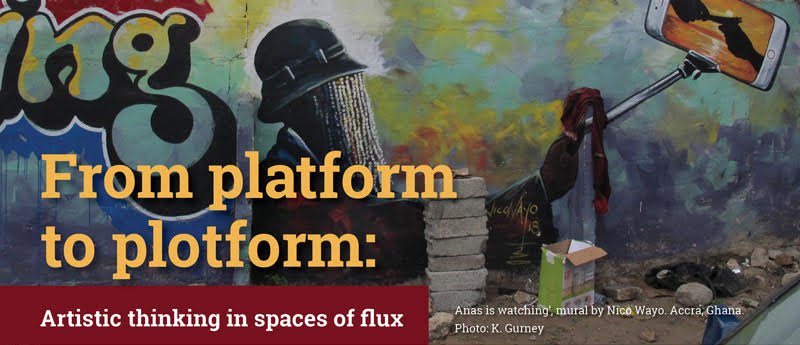
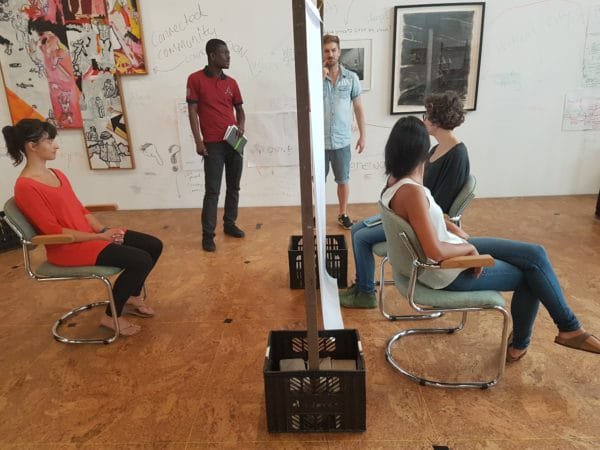
From platform to plotform: Artistic thinking in spaces of flux is a public talk in which ACC research associate Kim Gurney shares work in progress on her project called Platform/ Plotform to help forward future work and interdisciplinary outputs. The project explores working principles identified in participant independent art spaces in five African cities (Nairobi, Accra, Cairo, Addis Ababa and Dar es Salaam), and how the predominant forms and strategies of these selected spaces correspond to the urban fabric. The session, a joint effort between ACC and Centre for Humanities Research, will provide an overview of recently concluded fieldwork and some preliminary findings before opening up for discussion. WHEN: Tuesday, 28 May 2019 VENUE Seminar Room 2, Centre for Humanities Research, University of the Western Cape TIME: 14:00 to 15:00 RSVP: Please RSVP Micaela Felix at centreforhumanitiesresearch@uwc.ac.za

Hacking the Future – New ideas for an urban era

The Old Granary Cnr of Longmarket Street and Harrington Street, Cape Town , South Africa

ACC and Cityscapes Collective presents experts from the worlds of architecture, public health, education, culture and technology to discuss the key ideas driving their work in a series of provocations moderated by award-winning filmmaker, community organiser and urbanist Michael Uwemedimo of CMAP.

SDG Seminar Series: Financing the SDGs in African cities?

Davies Reading Room Room 2.27, Environmental and Geographical Science, UCT, Cape Town, Western Cape, South Africa

The fourth instalment of the ACC SDG Seminar is presented by Liza Rose Cirolia on Wednesday, 19 June 2019 at 12:30 to 14:00 in the Davies Room, Environmental and Geographical Sciences Building, Upper Campus, UCT. Entitled Financing the SDGs in African cities?, her seminar will explore the fiscal constraints and opportunities for local government to participation in global agendas. WHEN: Wednesday, 19 June 2019 TIME: 12:30 to 14:00 VENUE: Davies Room, Environmental and Geographical Sciences Building, Upper Campus, UCT.

Governing Cape Town’s Informal Economy

Studio 5 Environmental and Geographical Sciences Building, Upper Campus, Cape Town, South Africa

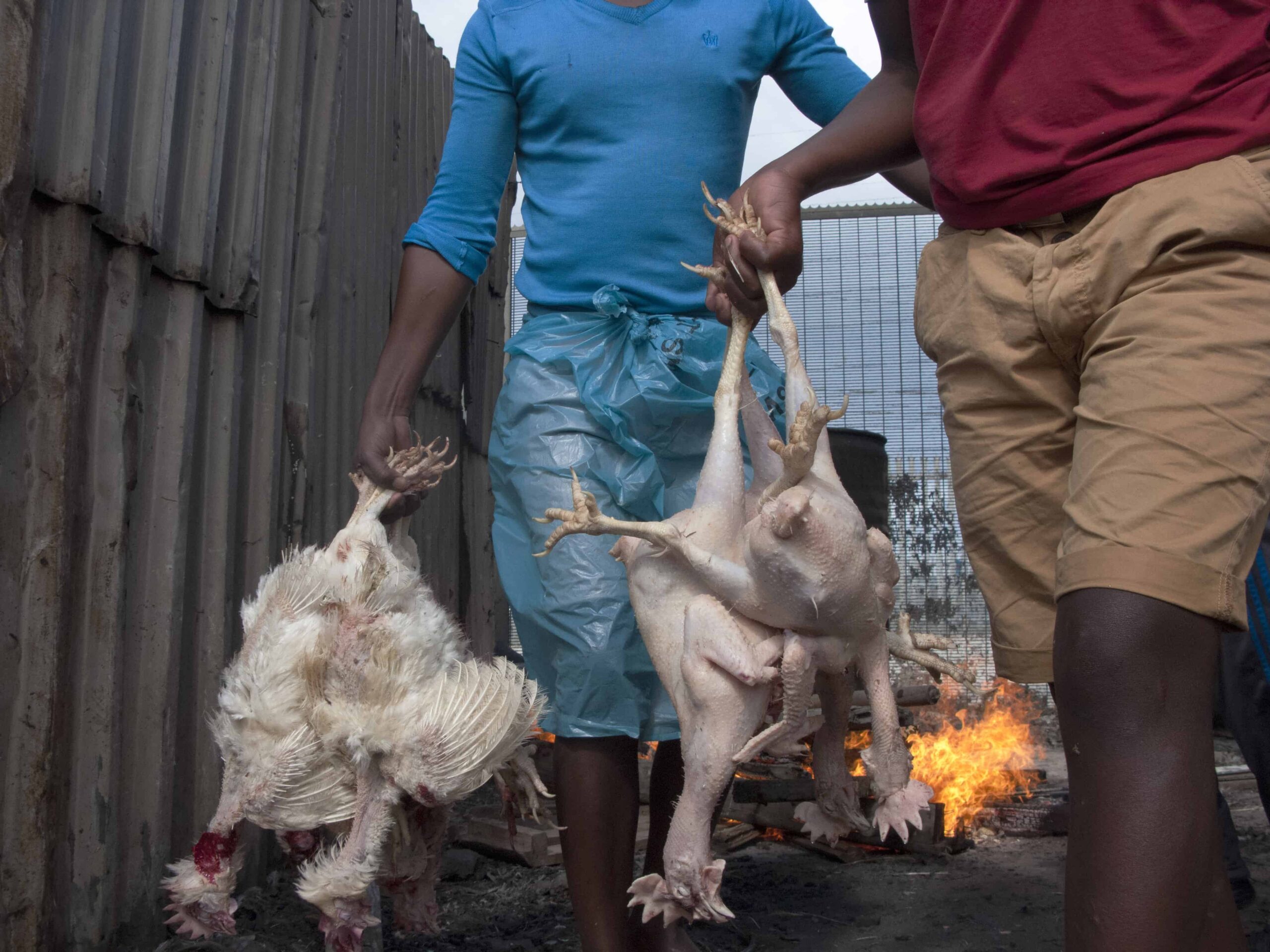
ACC invites you to a special Brownbag lecture by Dr Graeme Young entitled Governing Cape Town Informal Economy, on Friday 26 July at 13:00 to 14:00 in Studio 5, EGS Building, Upper Campus, UCT. Young, a visiting QES Scholar, has been working with the Office of the Premier of the Western Cape as part of the wider provincial food system strategy. This presentation will outline initial perspectives on research carried out to understand the institutional and policy landscape in which Cape Town’s informal economy is governed and offer theoretical insights that may be useful for engaging with broader questions surrounding urban governance in Cape Town and beyond. VENUE: Studio 5, Environmental and Geographical Science Building, Upper Campus, UCT DATE: Friday, 26 July 2019 TIME: 13h00 – 14h00

MPhil ‘pumflets’ exhibition

Wolff Architects 136 Buitenkant Street, Bo Kaap, Cape Town, Cape Town , South Africa

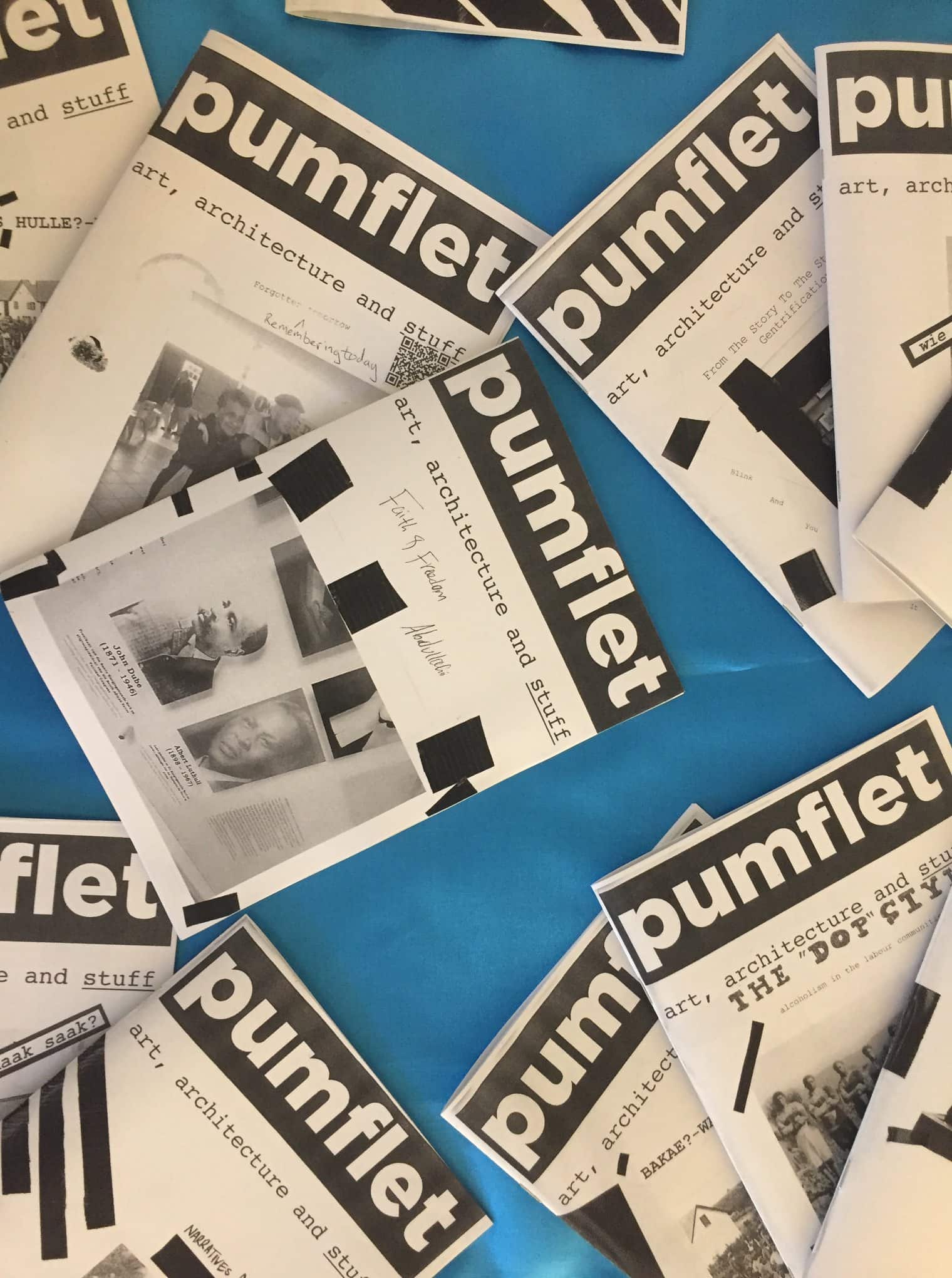
You are invited to attend the one-night only exhibition of pumflets produced by the students of the MPhil Southern Urbanism. The exhibition is the product of the third iteration of the City Research Studio, which forms the cornerstone of the MPhil Southern Urbanism curriculum. The City Research Studio functions as a laboratory space where students learn to walk, see, smell, touch, embrace, explore and reimagine the city through intimate engagements. City Research Studio 3 was convened by Ilze Wolff of Wolff Architects, who co-founded pumflet: art, architecture and stuff with artist Kemang Wa Lehulere in 2016. According to Wolff the publication series explores the social imagination, stories of neighbourhoods and reflecting on histories of the present. "pumflet’s aim is to publicise research-in-process and to conceive of interventions in space and public culture based on research. It is a collection of conceptual art interventions and a collection of correspondence art practices. pumflet, then, is in a way a continued digging and reflecting on the imagination of the collective, with ideas around restoring some ‘deleted scenes’, consequences of forced removals, hyper capitalist urban development and the impacts of state power of the land and the landless," she explains. Using this methodology students have produced their own pumflets over the course of six weeks and will showcase them on Friday, 23 August 2019, from 18:00 at the studio of Wolff Architect, 136 Buitenkant Street, Bo Kaap, Cape Town. WHEN: Friday, 23 August 2019 TIME: 18:00 WHERE: Wolff Architects, 136 Buitengracht Street, Bo Kaap, Cape Town Refreshments will be served.

Stitching fragments and fractals

Pink Room, Centlivres Building Upper Campus, University of Cape Town, Cape Town, South Africa

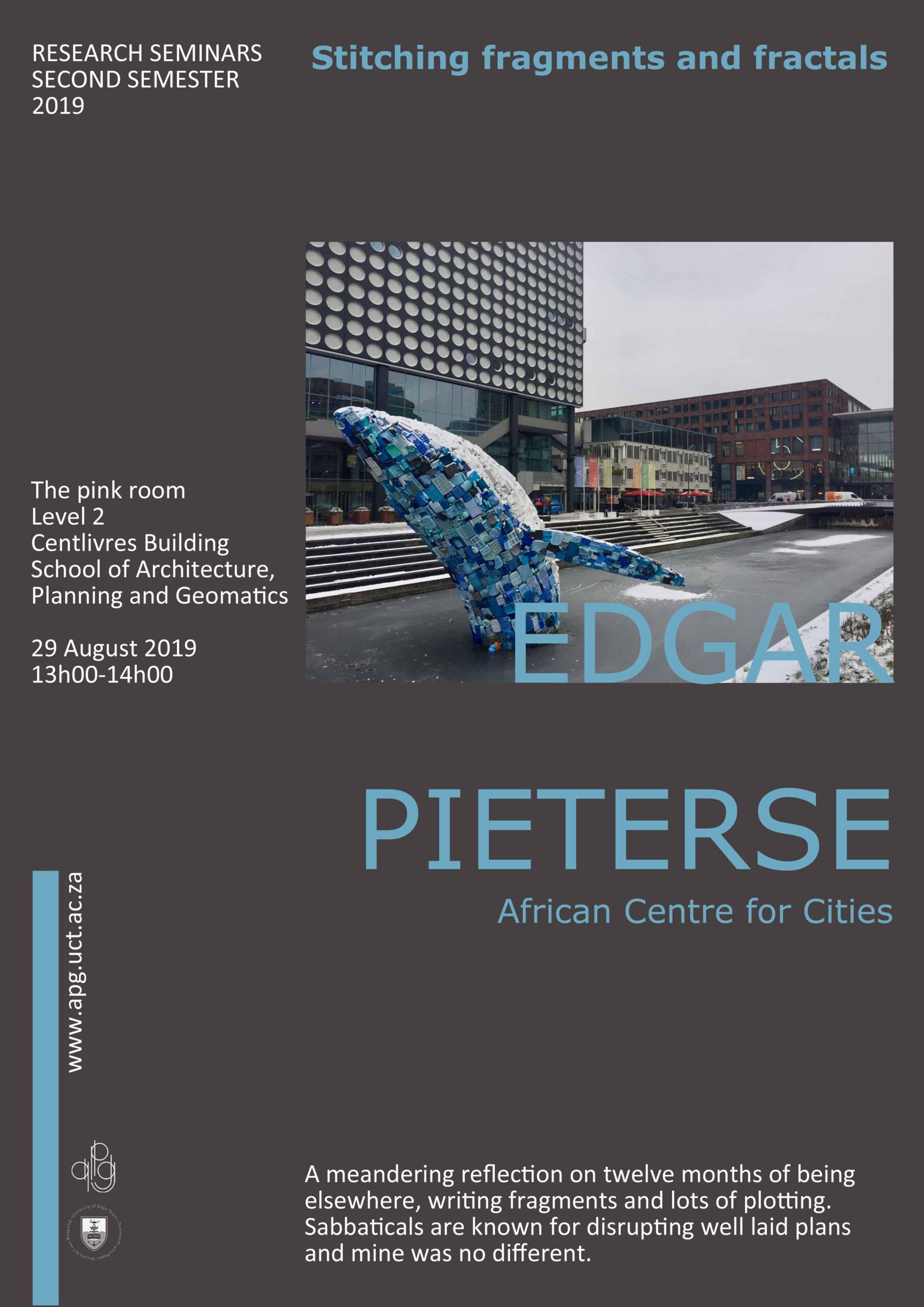
On 29 August 2019, the UCT School of Architecture, Planning and Geomatics is hosting Prof Edgar Pieterse, director of the African Centre for Cities. Pieterse recently returned from a year-long sabbatical and will be reflecting on this in his presentation Stitching fragments and fractals: A meandering reflection on twelve months of being elsewhere, writing fragments and lots of plotting. Sabbaticals are known for disrupting well laid plans and mine was no different. WHEN: 29 August 2019 TIME: 13:00 to 14:00 VENUE: The Pink Room, Level 2, Centlivres Building, Upper Campus, UCT

International Transdisciplinarity Conference 2019

Unnamed Venue Gothenburg, Sweden

The International Transdisciplinary Conference 2019, co-organised by the University of Gothenburg and Mistra Urban Futures, takes place 10 to 13 September 2019 in Gothenburg, Sweden. Our societies are facing critical points in their development, where large challenges are becoming increasingly difficult to handle. Numerous conflicts and complexities are surfacing – to which we can see societies responding with fragmentation, intolerance and exclusion. One way to address such developments is through societal transformation processes that implicitly include a variety of interest groups, stakeholders and organisations. Transdisciplinary research is one approach that focuses specifically on co-producing and integrating knowledge and expertise from a variety of sources, including communities, research, cities and businesses. It is an approach that is driven by the need to create processes where values and transformations towards a more just and sustainable society are openly debated. The aim of this conference, Joining Forces for Change, is to bring together actors from different professional mandates, disciplines and sectors to engage and discuss practical examples and case studies that approach societal transformation through boundary breaking collaboration. The conference invites practitioners and researchers from government and administrative organisations and agencies, interest groups from community and business, and researchers and students from across the university. The overall focus is on what we can learn from our collaborative experiences, case studies and practices regarding wider societal transformation, methodological innovations and theoretical development. We will specifically search for “sites for change” in terms of spaces, practices and learnings where TD research and co-production play a crucial role. The conference programme will be structure around three streams: Societal transformation What experiences in initiating and fostering transformation processes do we have and what can we learn from them? How can different theories of change contribute to sustainable transformations? What forms of organising are needed for our institutions, agencies, companies and universities to handle the necessary transformations, with particular reference to collaboration between different types of stakeholders? What skills and competences are needed by civil servants, researchers and students to co-design and lead processes that target sustainable outcomes? Methodological innovation What does individual and organisational learning in change processes – working on, challenging and transgressing borders – look like? How can universities promote collaborative learning? How can different types of transdisciplinary pedagogies, research methods and processes of co-production be developed to more effectively contribute to societal transformations? Theoretical development How can we imagine and conceptualise a sustainable and inclusive knowledge economy? What are the core challenges in transdisciplinary research regarding ontological and epistemological issues – what worldviews and paradigms are challenged and what kind of knowledge is included and produced? How does TD research engage with systems thinking, scenario planning, design thinking and other holistic theories and practices? Call for contributions Contributions from all fields and research cultures are invited, particularly submissions from practitioners and from transdisciplinary teams. Important dates: Deadline for abstract submission: extended to 31 March 2019 Notice of acceptance: mid-May 2019 For more information go to the conference website.

SDG Seminar Series: SDG indicators for health outcomes in South Africa

Aadil Moerat Seminar Room, Barnard Fuller Room Health Science Campus, Anzio Road, Observatory, Cape Town . , South Africa

Next up in the ACC seminar series on the Sustainable Development Goals, Associate Professor Salome Maswime will present SDG indicators for health outcomes in South Africa on Wednesday, 18 September 2019 from 12:30 to 14:00. Maswime is Head of Global Surgery in the Surgery Division at the Faculty of Health Sciences, University of Cape Town. WHEN: Wednesday,  18 September 2019 TIME: 12:30 to 14:00 VENUE: Aadil Moerat Seminar Room, Barnard Fuller Room, Health Science Campus, Anzio Road, Observatory RSVP:  Please rsvp to clare.jeffrey@uct.ac.za by 13 September 2019  

Beyond our borders: Independent art spaces as a lens on city futures

Desmond & Leah Tutu Legacy Foundation, The Old Granary Building Buitenkant Street, Cape Town, Cape Town , South Africa

Four leading shapers of the contemporary art world from cutting-edge independent spaces on the African continent will next week share their insights and experience in a public panel hosted in central Cape Town. The panellists, who respectively manage or help direct programming for multidisciplinary contemporary art spaces in Addis Ababa, Cairo, Dar es Salaam and Nairobi respectively, will speak about the work they do and the broader value it has. Their contributions come at a time of growing global interest in contemporary art from Africa and burgeoning private museums and foundations but also increasing sustainability challenges for non-profits. The panel simultaneously coincides with a national crisis in South Africa around xenophobic attacks and gender-based violence, which gives extra resonance to hearing the compelling voices of four women from beyond our borders. The discussion panel, on Thursday 26 September at 18:00, is organised by University of Cape Town’s African Centre for Cities (ACC), which hosts a research project on the topic, called Platform. The panellists comprise the project’s key participants, whom ACC has brought to Cape Town for a two-day workshop to inform final outcomes. Prof Achille Mbembe from Wits Institute of Social and Economic Research, a well known theorist and philosopher, will chair the discussion. Prof Edgar Pieterse, the Director of the ACC, said that despite limited resources, artists are sustaining vital institutions in their cities to ensure that there are spaces for engagement with urban dynamics from an artistic perspective. This greatly enriches and extends the quality of the public sphere, pointing to novel questions and insights. “ACC believes that it is impossible to foster a rounded understanding of contemporary urbanism in Africa without engaging the perspectives and practices of African artists, especially those who operate within and through artist-led spaces dedicated to autonomy and expression.” By hosting the event, ACC was creating an opportunity to learn from the determined practices in key nodes in Africa, Pieterse added. “Political and policy discussions in South Africa often fail to appreciate the important role the arts play in giving expression to the unsayable and the unthinkable," says Pieterse Dr Kim Gurney, the researcher behind the project, identified and visited these participant spaces – plus one more in Accra, Ghana (ANO Institute) - at different times over the past year to come to grips with their working principles. They are all navigating conditions of flux in some of Africa’s fastest urbanising cities, she said. “Their emergent forms and strategies can help unlock new ways of thinking and doing with deep resonance for others in comparable places and spaces.” The discussion panel is hosted at the newly refurbished Desmond and Leah Tutu Legacy Foundation at the Old Granary Building on Buitenkant Street. The evening event is open to the public and free; all are welcome to attend. Light refreshments will be served.   The discussion panel comprises: Meskerem Assegued – Curator of numerous exhibitions both in Ethiopia and abroad and a cultural anthropologist. Together with artist Elias Sime, Meskerem co-founded and co-directs Zoma Museum (Addis Ababa), an environmentally conscious art institution recently relaunched; Rebecca Corey - The Director of Nafasi Art Space (Dar es Salaam), a creative hub and centre for contemporary visual and performing arts which provides a meeting point for intensive dialogue between artists and the public; Mariam Elnozahy - Curator, archivist, and writer based in Cairo, who focuses primarily on critical, community-based work and is Programme Manager at Townhouse Gallery (Cairo); Joy Mboya – Executive Director of The GoDown Arts Centre (Nairobi), a multidisciplinary national and regional focal point for artistic experimentation, cross-sector partnerships and creative collaboration; Edgar Pieterse  – Director of the African Centre for Cities and South African Research Chair in Urban Policy. WHEN: Thursday 26 September 2019 TIME: 17h30 for 18h00 start WHERE: Desmond & Leah Tutu Legacy Foundation, The Old Granary Building, Buitenkant Street, Cape Town – entrance on cnr Longmarket and Harrington streets Google map: https://goo.gl/maps/ukM81xiP7NwmyL7o9 IMAGE CREDIT: On the move at the GoDown Arts Centre, Nairobi. by Kim Gurney

Collapse: Grey development and fake buildings in Nairobi

Davies Reading Room Room 2.27, Environmental and Geographical Science, UCT, Cape Town, Western Cape, South Africa

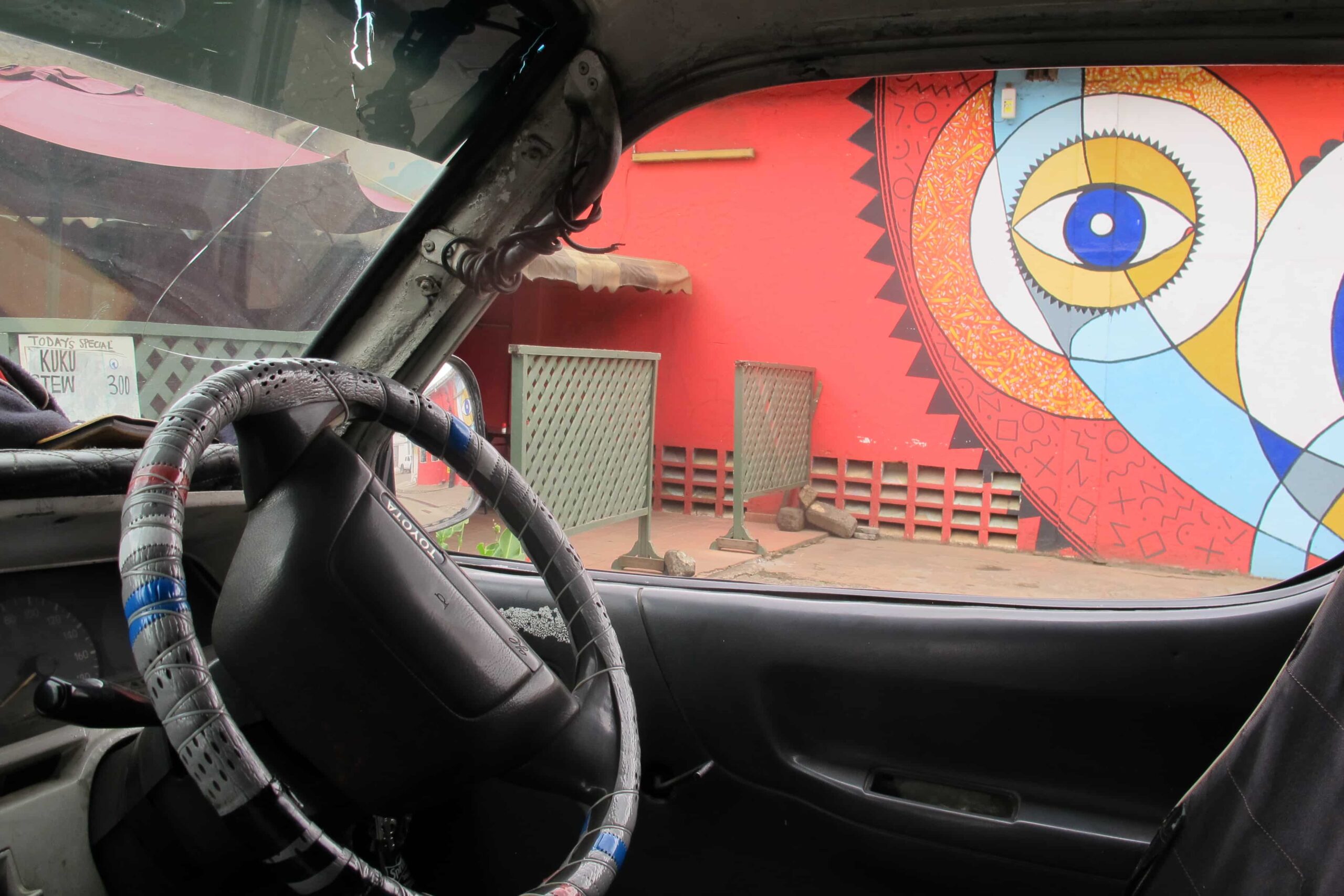
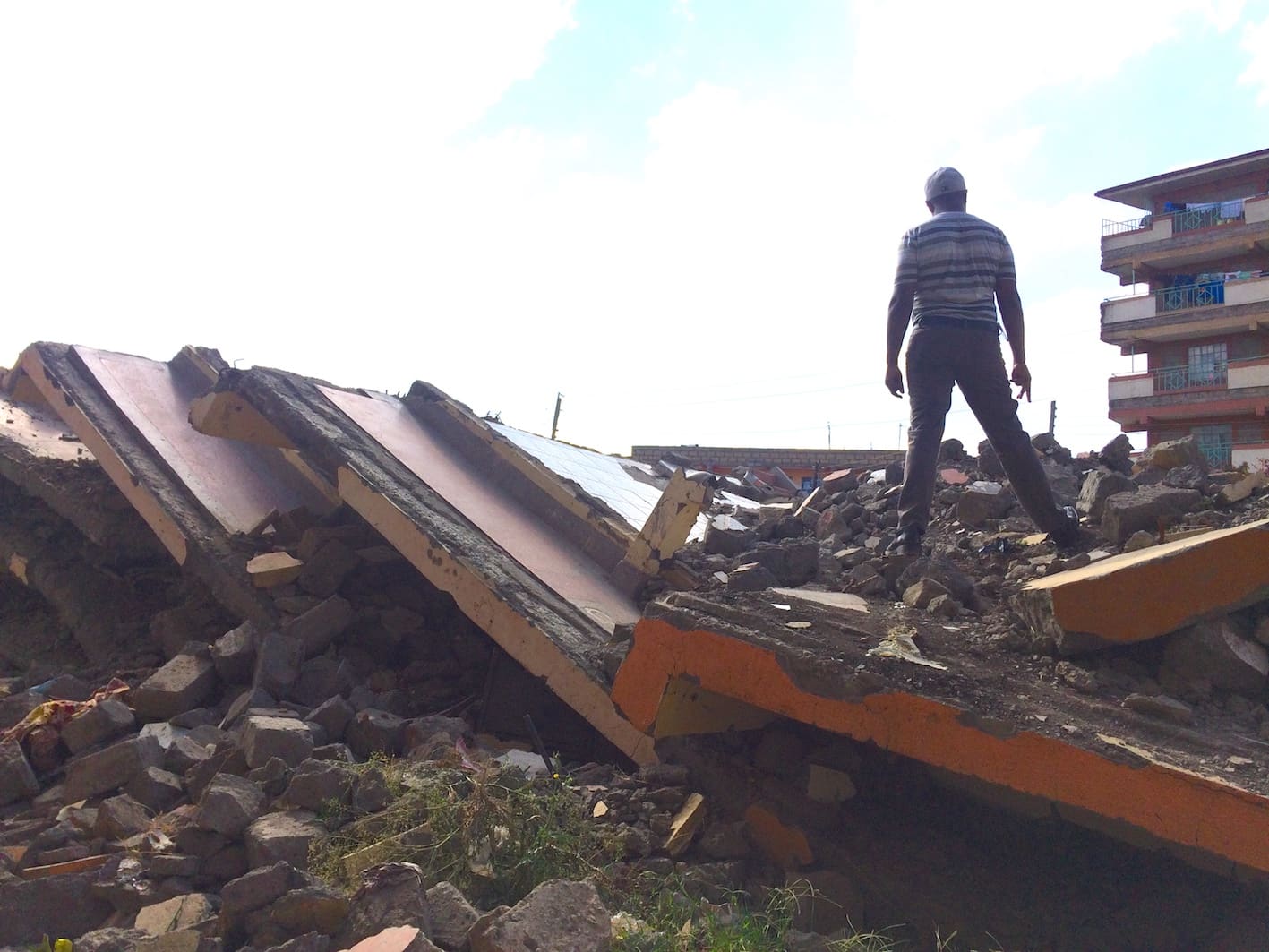
Visiting scholar Constance Smith from Social Anthropology at The University of Manchester presents Collapse: Grey development and fake buildings in Nairobi, on Tuesday, 8 October 2019, at 15:00. ABSTRACT Nairobi has recently experienced a spate of residential tower block collapses resulting in significant casualties. In an attempt to understand this precarious architecture, I juxtapose two different, yet linked, construction booms currently reshaping the city. The Kenyan government development rubric Vision 2030 is re-envisioning Nairobi as a ‘world class’ city of spectacular infrastructure and gleaming high-rise buildings. At the same time, ad hoc property speculation is constructing high density, poor-quality tower blocks that pose a high risk of structural failure; buildings that Nairobians often describe as ‘fake’. Drawing on literature in African Studies about the power of fakes and the counterfeit, as well as on recent debates in Urban Studies problematising informality, I reflect on Nairobi’s drastic landscape of architectural failure, and how this is entangled with larger processes of urban transformation. ABOUT Constance Smith is a UKRI Future Leader Fellow in Social Anthropology at the University of Manchester, UK, where she also works within the Urban Institute. Her work explores the social, political and material dynamics of urban landscapes in times of transformation. She has done fieldwork in Nairobi, Addis Ababa, Kampala and London. Her new book, Nairobi in the Making: Landscapes of time and urban belonging (James Currey, 2019) explores how the residues of colonial architecture shape self-making and city-making in contemporary Nairobi. WHEN: Tuesday, 8 October 2019 TIME: 15:00 - 16:30 VENUE: Davies Reading Room, Environmental and Geographical Science Building, Upper Campus, UCT