International Transdisciplinarity Conference 2019

Unnamed Venue Gothenburg, Sweden

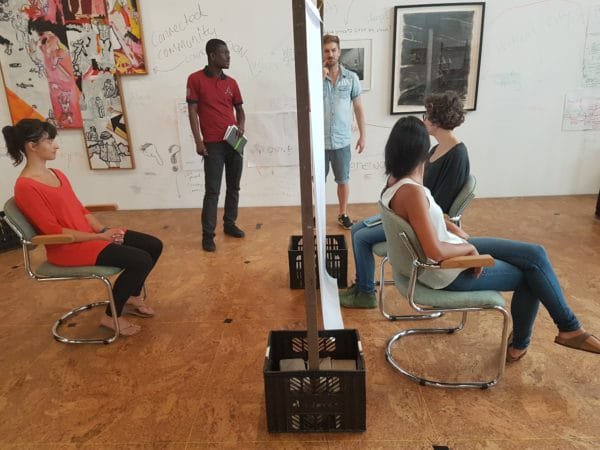
The International Transdisciplinary Conference 2019, co-organised by the University of Gothenburg and Mistra Urban Futures, takes place 10 to 13 September 2019 in Gothenburg, Sweden. Our societies are facing critical points in their development, where large challenges are becoming increasingly difficult to handle. Numerous conflicts and complexities are surfacing – to which we can see societies responding with fragmentation, intolerance and exclusion. One way to address such developments is through societal transformation processes that implicitly include a variety of interest groups, stakeholders and organisations. Transdisciplinary research is one approach that focuses specifically on co-producing and integrating knowledge and expertise from a variety of sources, including communities, research, cities and businesses. It is an approach that is driven by the need to create processes where values and transformations towards a more just and sustainable society are openly debated. The aim of this conference, Joining Forces for Change, is to bring together actors from different professional mandates, disciplines and sectors to engage and discuss practical examples and case studies that approach societal transformation through boundary breaking collaboration. The conference invites practitioners and researchers from government and administrative organisations and agencies, interest groups from community and business, and researchers and students from across the university. The overall focus is on what we can learn from our collaborative experiences, case studies and practices regarding wider societal transformation, methodological innovations and theoretical development. We will specifically search for “sites for change” in terms of spaces, practices and learnings where TD research and co-production play a crucial role. The conference programme will be structure around three streams: Societal transformation What experiences in initiating and fostering transformation processes do we have and what can we learn from them? How can different theories of change contribute to sustainable transformations? What forms of organising are needed for our institutions, agencies, companies and universities to handle the necessary transformations, with particular reference to collaboration between different types of stakeholders? What skills and competences are needed by civil servants, researchers and students to co-design and lead processes that target sustainable outcomes? Methodological innovation What does individual and organisational learning in change processes – working on, challenging and transgressing borders – look like? How can universities promote collaborative learning? How can different types of transdisciplinary pedagogies, research methods and processes of co-production be developed to more effectively contribute to societal transformations? Theoretical development How can we imagine and conceptualise a sustainable and inclusive knowledge economy? What are the core challenges in transdisciplinary research regarding ontological and epistemological issues – what worldviews and paradigms are challenged and what kind of knowledge is included and produced? How does TD research engage with systems thinking, scenario planning, design thinking and other holistic theories and practices? Call for contributions Contributions from all fields and research cultures are invited, particularly submissions from practitioners and from transdisciplinary teams. Important dates: Deadline for abstract submission: extended to 31 March 2019 Notice of acceptance: mid-May 2019 For more information go to the conference website.
SDG Seminar Series: SDG indicators for health outcomes in South Africa

Aadil Moerat Seminar Room, Barnard Fuller Room Health Science Campus, Anzio Road, Observatory, Cape Town . , South Africa

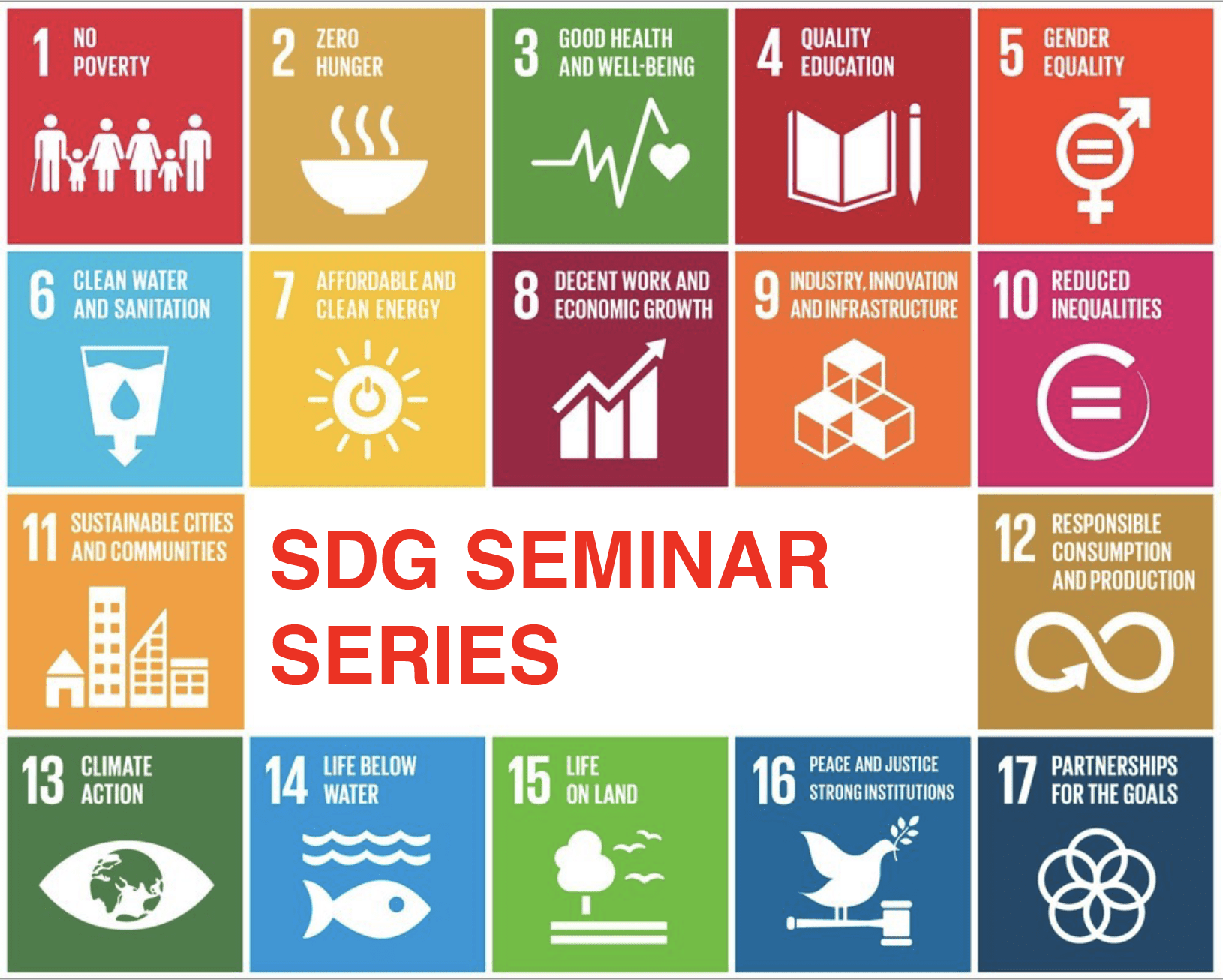
Next up in the ACC seminar series on the Sustainable Development Goals, Associate Professor Salome Maswime will present SDG indicators for health outcomes in South Africa on Wednesday, 18 September 2019 from 12:30 to 14:00. Maswime is Head of Global Surgery in the Surgery Division at the Faculty of Health Sciences, University of Cape Town. WHEN: Wednesday,  18 September 2019 TIME: 12:30 to 14:00 VENUE: Aadil Moerat Seminar Room, Barnard Fuller Room, Health Science Campus, Anzio Road, Observatory RSVP:  Please rsvp to clare.jeffrey@uct.ac.za by 13 September 2019  

Beyond our borders: Independent art spaces as a lens on city futures

Desmond & Leah Tutu Legacy Foundation, The Old Granary Building Buitenkant Street, Cape Town, Cape Town , South Africa

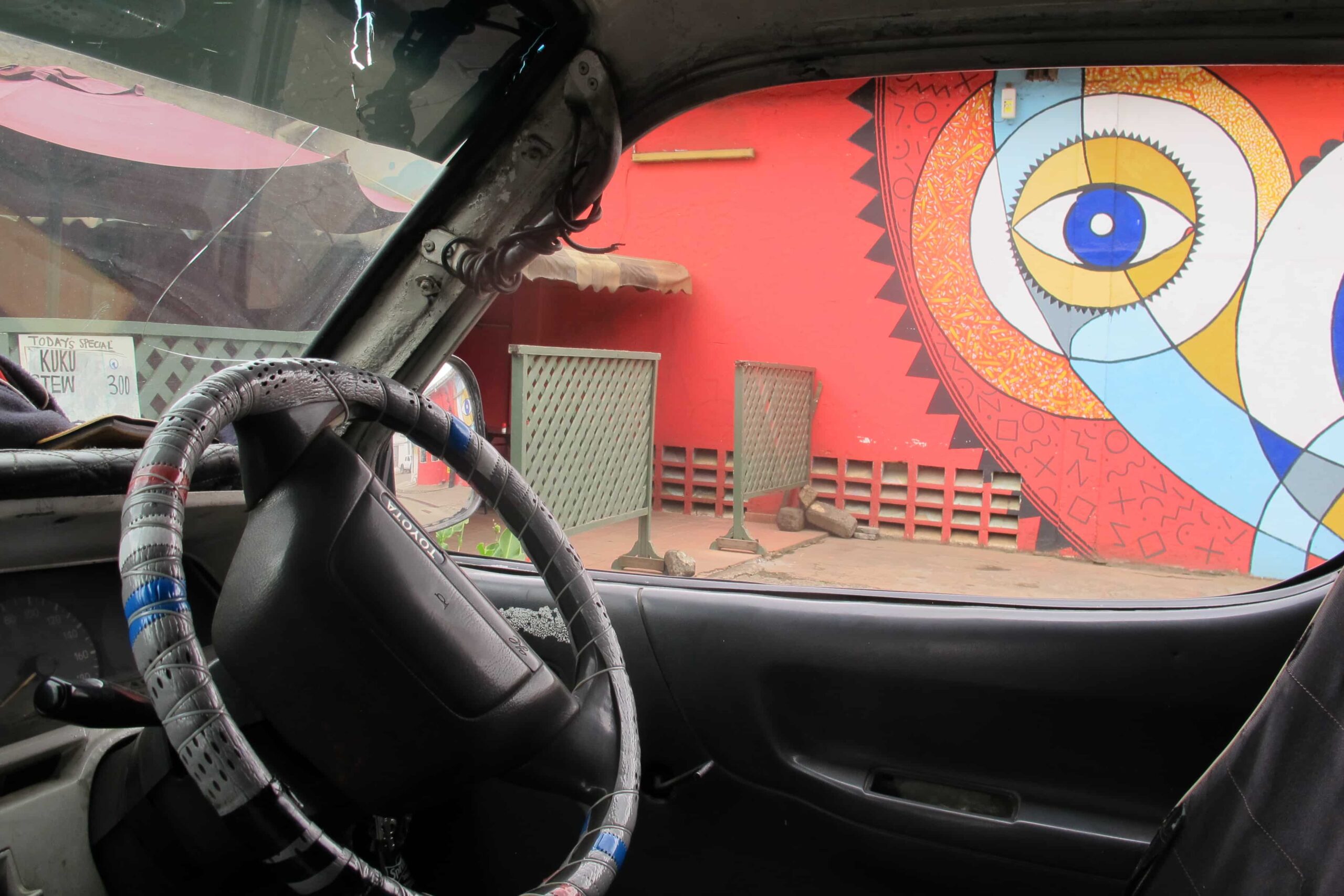
Four leading shapers of the contemporary art world from cutting-edge independent spaces on the African continent will next week share their insights and experience in a public panel hosted in central Cape Town. The panellists, who respectively manage or help direct programming for multidisciplinary contemporary art spaces in Addis Ababa, Cairo, Dar es Salaam and Nairobi respectively, will speak about the work they do and the broader value it has. Their contributions come at a time of growing global interest in contemporary art from Africa and burgeoning private museums and foundations but also increasing sustainability challenges for non-profits. The panel simultaneously coincides with a national crisis in South Africa around xenophobic attacks and gender-based violence, which gives extra resonance to hearing the compelling voices of four women from beyond our borders. The discussion panel, on Thursday 26 September at 18:00, is organised by University of Cape Town’s African Centre for Cities (ACC), which hosts a research project on the topic, called Platform. The panellists comprise the project’s key participants, whom ACC has brought to Cape Town for a two-day workshop to inform final outcomes. Prof Achille Mbembe from Wits Institute of Social and Economic Research, a well known theorist and philosopher, will chair the discussion. Prof Edgar Pieterse, the Director of the ACC, said that despite limited resources, artists are sustaining vital institutions in their cities to ensure that there are spaces for engagement with urban dynamics from an artistic perspective. This greatly enriches and extends the quality of the public sphere, pointing to novel questions and insights. “ACC believes that it is impossible to foster a rounded understanding of contemporary urbanism in Africa without engaging the perspectives and practices of African artists, especially those who operate within and through artist-led spaces dedicated to autonomy and expression.” By hosting the event, ACC was creating an opportunity to learn from the determined practices in key nodes in Africa, Pieterse added. “Political and policy discussions in South Africa often fail to appreciate the important role the arts play in giving expression to the unsayable and the unthinkable," says Pieterse Dr Kim Gurney, the researcher behind the project, identified and visited these participant spaces – plus one more in Accra, Ghana (ANO Institute) - at different times over the past year to come to grips with their working principles. They are all navigating conditions of flux in some of Africa’s fastest urbanising cities, she said. “Their emergent forms and strategies can help unlock new ways of thinking and doing with deep resonance for others in comparable places and spaces.” The discussion panel is hosted at the newly refurbished Desmond and Leah Tutu Legacy Foundation at the Old Granary Building on Buitenkant Street. The evening event is open to the public and free; all are welcome to attend. Light refreshments will be served.   The discussion panel comprises: Meskerem Assegued – Curator of numerous exhibitions both in Ethiopia and abroad and a cultural anthropologist. Together with artist Elias Sime, Meskerem co-founded and co-directs Zoma Museum (Addis Ababa), an environmentally conscious art institution recently relaunched; Rebecca Corey - The Director of Nafasi Art Space (Dar es Salaam), a creative hub and centre for contemporary visual and performing arts which provides a meeting point for intensive dialogue between artists and the public; Mariam Elnozahy - Curator, archivist, and writer based in Cairo, who focuses primarily on critical, community-based work and is Programme Manager at Townhouse Gallery (Cairo); Joy Mboya – Executive Director of The GoDown Arts Centre (Nairobi), a multidisciplinary national and regional focal point for artistic experimentation, cross-sector partnerships and creative collaboration; Edgar Pieterse  – Director of the African Centre for Cities and South African Research Chair in Urban Policy. WHEN: Thursday 26 September 2019 TIME: 17h30 for 18h00 start WHERE: Desmond & Leah Tutu Legacy Foundation, The Old Granary Building, Buitenkant Street, Cape Town – entrance on cnr Longmarket and Harrington streets Google map: https://goo.gl/maps/ukM81xiP7NwmyL7o9 IMAGE CREDIT: On the move at the GoDown Arts Centre, Nairobi. by Kim Gurney

Collapse: Grey development and fake buildings in Nairobi

Davies Reading Room Room 2.27, Environmental and Geographical Science, UCT, Cape Town, Western Cape, South Africa

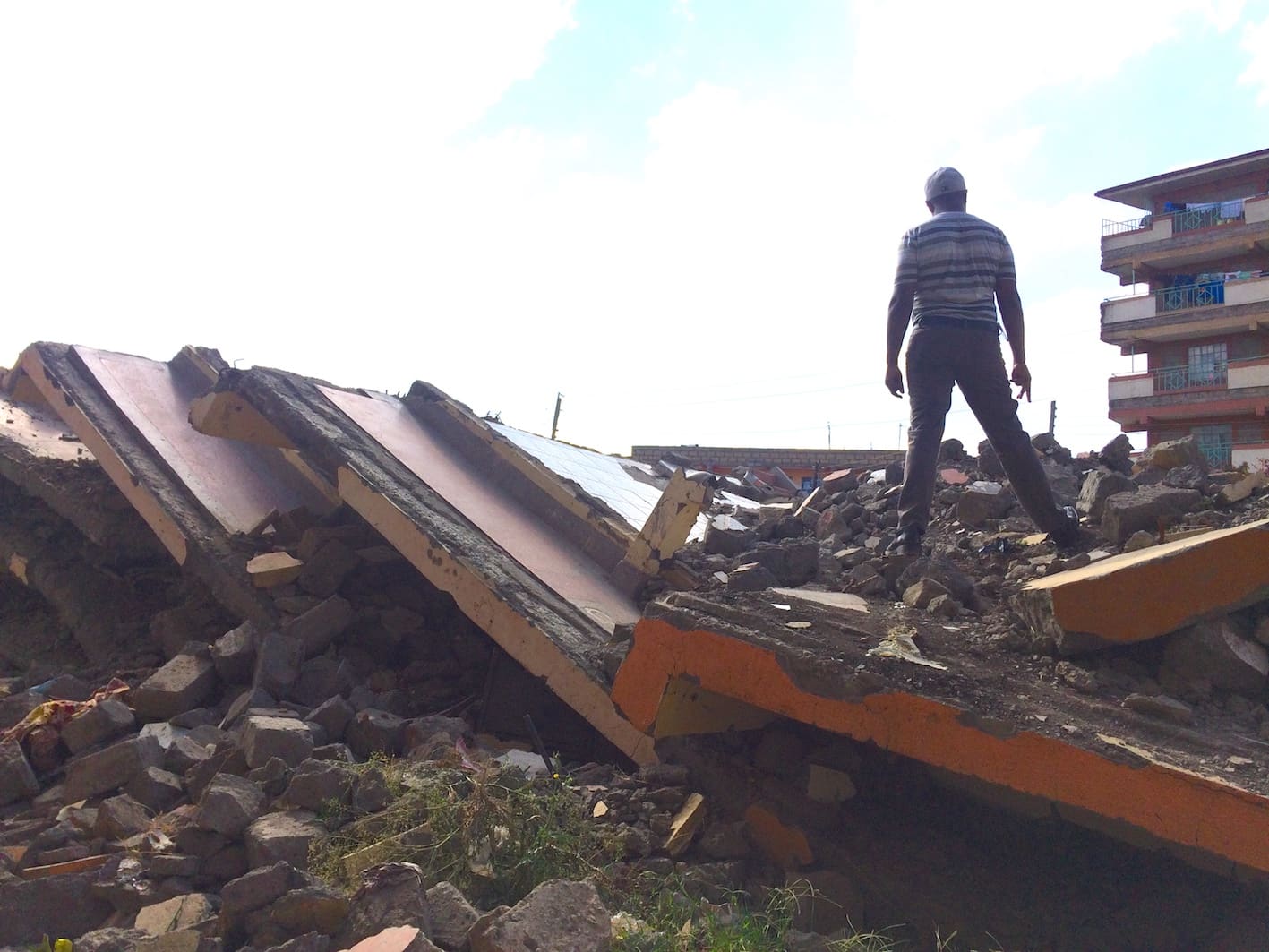
Visiting scholar Constance Smith from Social Anthropology at The University of Manchester presents Collapse: Grey development and fake buildings in Nairobi, on Tuesday, 8 October 2019, at 15:00. ABSTRACT Nairobi has recently experienced a spate of residential tower block collapses resulting in significant casualties. In an attempt to understand this precarious architecture, I juxtapose two different, yet linked, construction booms currently reshaping the city. The Kenyan government development rubric Vision 2030 is re-envisioning Nairobi as a ‘world class’ city of spectacular infrastructure and gleaming high-rise buildings. At the same time, ad hoc property speculation is constructing high density, poor-quality tower blocks that pose a high risk of structural failure; buildings that Nairobians often describe as ‘fake’. Drawing on literature in African Studies about the power of fakes and the counterfeit, as well as on recent debates in Urban Studies problematising informality, I reflect on Nairobi’s drastic landscape of architectural failure, and how this is entangled with larger processes of urban transformation. ABOUT Constance Smith is a UKRI Future Leader Fellow in Social Anthropology at the University of Manchester, UK, where she also works within the Urban Institute. Her work explores the social, political and material dynamics of urban landscapes in times of transformation. She has done fieldwork in Nairobi, Addis Ababa, Kampala and London. Her new book, Nairobi in the Making: Landscapes of time and urban belonging (James Currey, 2019) explores how the residues of colonial architecture shape self-making and city-making in contemporary Nairobi. WHEN: Tuesday, 8 October 2019 TIME: 15:00 - 16:30 VENUE: Davies Reading Room, Environmental and Geographical Science Building, Upper Campus, UCT

Realising Just Cities conference week

Unnamed Venue Sheffield , United Kingdom

The 4th Annual Realising Just Cities Conference takes place in Sheffield, UK from 13-18 October 2019. The conference focuses on lessons, impacts and outcomes since the start of Mistra Urban Futures (MUF) in 2010 but with particular emphasis on the current 2016-19 phase of closer international collaborative and comparative research now ending. MUF has sought to co-produce knowledge and action to support sustainable urban development across cities in the Global North and South, working through Local Interaction Platforms and other forms of partnership that bring together researchers from different stakeholders in transdisciplinary teams. The conference is hosted by the Sheffield-Manchester Local Interaction Platform and will include representatives from partner cities in Buenos Aires, Cape Town, Gothenburg, Kisumu, Malmö, Shimla, and Stockholm. The Week at a Glance Sunday 13th October, 1830-2030, Welcome Drinks and Reception, Sheffield Winter Gardens. Detailed Programme.  Monday 14th October, 0900-1700, Comparative Project Work, Lunch and Sheffield Walking Tours. Detailed Programme.  Tuesday 15th October, 0815-1800, Open Conference with parallel sessions, Lunch and Conference Dinner. Detailed Programme.  Wednesday 16th October, 0730-2100, Coaches to Manchester field trips and workshops with Lunch and Networking Dinner in Manchester and coaches back to Sheffield. Detailed Programme.  Thursday 17th October, 0900-1700, Board meeting, Some comparative project workshops, Keynote lecture and Lunch. Detailed Programme.  Friday 18th October, 0900-1200, LIP-directors meeting, Some comparative project workshops. Detailed Programme.  This page is only intended for Mistra Urban Futures delegates already associated with our city teams and who have been invited. Not a Mistra Urban Futures delegate? Head over to our Open Conference page, where you can find more information about how you can participate.

The city/psychosis nexus beyond epidemiology and social constructivism

Davies Reading Room Room 2.27, Environmental and Geographical Science, UCT, Cape Town, Western Cape, South Africa

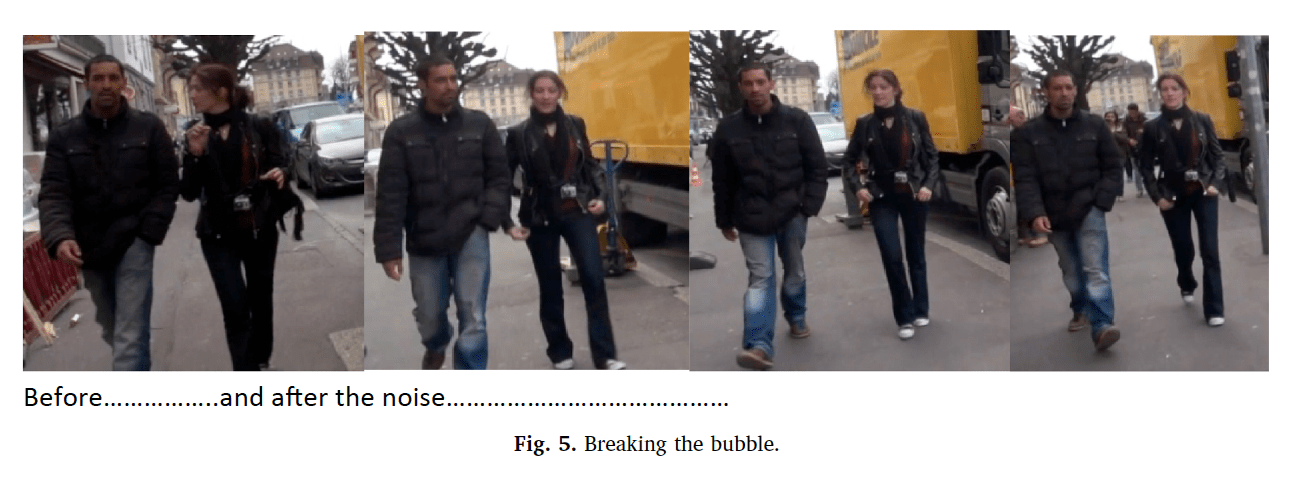
Visiting scholar Ola Söderström from University of Neuchâtel, Switzerland presents a lecture entitled: The city/psychosis nexus beyond epidemiology and social constructivism on Tuesday, 15 October from 12:30 to 14:00. ABSTRACT My talk draws on a recently completed interdisciplinary research project involving geographers, psychiatrists and linguists in the study of the relations between urban living and psychosis. Our research originates in the now long-standing observation that there is a higher prevalence of cases of psychosis in dense urban areas. Particularly interesting in the context of this talk and discussion at the ACC is that recent epidemiological studies point to the fact that this phenomenon is generally not observed in cities of the Global South. What was for long described as a universal relation between mental health and urbanism has now been provincialized. My aim will be first to explain why the question of the city/psychosis nexus has recently come to the fore not only in epidemiological research in psychiatry but also in the more-than-constructivist approaches of scholars trying to identify and practice new alliances between the life and the social sciences. Second, I will walk you through two moments – an epistemic and an ontological one – in our research process to describe how we explored such new alliances by co-designing and co-experimenting across disciplines. Thirdly, I will discuss our research findings and how they emerged from methodological triangulations. I will conclude by evoking present developments of this interdisciplinary process and how they relate to contemporary discussions on the study of bio-social entanglements. ABOUT Ola Söderström is professor of social and cultural geography at the University of Neuchâtel, Switzerland. His work draws on science and technology studies, postcolonial urban studies and visual studies. His research has notably analysed the role of visual representations in urban planning, urban policy mobilities in cities of the Global South, smart urbanism, and the relations between urban living and psychosis. His books and edited collections include: Des images pour agir. Le visuel en urbanisme, Payot, 2000; Cities in Relations. Trajectories of Urban Development in Hanoi and Ouagadougou, Wiley-Blackwell, 2014; Reshaping Cities. How Global Mobility Transforms Architecture and Urban Forms, Routledge, 2009 (co-edited with Michael Guggenheim); Critical Mobilities, Routledge, 2013 (co-edited with Shalini Randeria, Didier Ruedin, Gianni D’Amato and Francesco Panese). WHEN: Tuesday, 15 October 2019 TIME: 12:30 to 14:00 VENUE: Davies Reading Room, Environmental and Geographical Science Building, Upper Campus, UCT

Financing infrastructure in cities of the global South

Sheffield Urban Institute, University of Sheffield, UK Sheffield, United Kingdom

Liza Rose Cirolia, Tom Goodfellow and Jonathan Silver present Financing infrastructure in cities of the global South, a full-day workshop on 17 October 2019 at the Urban Institute (The University of Sheffield, UK).  The ‘infrastructure turn’ within Urban Studies has resulted in growing scholarly attention on the importance of infrastructure (such as water, energy, transport and the like) in the everyday life and governing of cities. Such work has been used to think through the broader social and political dimensions of urbanisation and the challenges of urban service provision across rapidly urbanizing regions. Fiscal and financial issues feature in some of this research on infrastructure (for example in the recent work on financialization, of the investments required for delivering Sustainable Development Goals). However, detailed attention to the complexities of finance are often overlooked or simplified. In more conventional structural accounts, finance is given an overpowering and almost mythical position. In contrast, in much of the more relational work on urban infrastructure, finance is only briefly touched on, ignoring the range of new mechanisms being mobilised by city governments. From carbon finance to municipal bonds to public-private partnerships, new tax regimes and cost-recovery schemes, alongside the growth of private capital flows and new forms of financialized infrastructure, the financial geographies of rapidly urbanizing cities remain a complex patchwork.  Moreover, the financial stories and narratives which are produced on cities often focus on Western/Northern contexts (for example, by centring the 2008 financial crisis as a crucial, global historical moment and ignoring decades of structural adjustment). While certainty important, this framing creates huge gaps, particularly in the experiences of regions, countries, and cities which are only partially (if at all) connected to the global financial system. In these same contexts, infrastructure systems are more heterogeneous and less networked and financial transactions relating to infrastructure often play out at the scale of the community. These fiscal challenges and circulations of investment create particular relations with urban governance regimes and shape the possibilities of urban regions in delivering safe, fully-functioning and universal infrastructure services. To explore these issues this workshop seeks to focus attention on: The specificities and complexities of the relations between infrastructure and finance. Critical research on new investments into infrastructure across urban regions. Fiscal challenges of mega cities or small cities/towns for infrastructure investment. The growth of new municipal financial mechanisms incorporating bonds, various forms of loans, cost-recovery programs, investments, tax regimes. A new wave of neoliberal, financialized mechanisms and public-private partnerships transforming urban governance. Innovative and progressive new financial tools such as P2P, basic income grants through to demands for paying carbon debt. Financial investments into ‘hybrid’ infrastructures especially across informal urban space. Methodologies and tools for tracing infrastructure-finance configurations. How these dynamics play out in Southern cities and urban areas and with what implications. We aim to bring together scholars who are interested in creative approaches to studying finance and infrastructure, drawing insights from their own projects and research in global South urban regions, and sharing work-in-progress to get feedback and comment. The workshop will provide an informal space to share work, ideas, research projects and discuss pathways for strengthening research in this area. WHEN: 17 October 2019 TIME: 09:30 for 10:00 to 17:00 WHERE: Urban Institute, The University of Sheffield, UK If you are interested in attending, please contact workshop organisers Liza Rose Cirolia (liza.cirolia@uct.ac.za) or Tom Goodfellow (t.goodfellow@sheffield.ac.uk) or  (Jonathan Silver (j.silver@sheffield.ac.uk)

SDG SEMINAR: Citizen-centric approaches to achieving the SDGs in Africa: reflections from practice

John Martin Boardroom New Engineering Building, Cape Town

Namhla Mniki will present Citizen-centric approaches to achieving the SDGs in Africa: reflections from practice on 23 October, from 12:30 to 14:00 as part of ACC's on-going SDG Seminar series. Namhla Mniki is a global development strategist leading African Monitor, an entity working to eradicate poverty, to create economic opportunities, and to empower African citizens to drive the achievement of sustainable development goals in Africa. She specialises in citizen-centric sustainable approaches to development that promote accountable leadership and good governance in Africa and beyond.  Namhla is a global activist and speaker, having addressed high-level audiences from the United Nations to Heads of State in Africa and Europe.  She has worked extensively with various arms of the United Nations, including her current role as Cepei’s Expert Panel on United Nations Regional Review.  She is a patron for the Africa Youth SDGs Summit, a Global Peer Review Expert for the German government, and a member of the expert team for the Africa Progress Group and the World Economic Forum Africa. Her latest work focusses on increasing knowledge of and building capacity for co-creation and collaboration across government, business and civil society to implement sustainable development strategies. She has a strong belief that a new paradigm of development delivery can benefit the world, focusing on innovation, collaboration, multi-sectoralism, co-creation, and broad participation. WHEN: 23 October 2019 TIME: 12:30 to 14:00 VENUE: John Martin Boardroom, Level 5, New Engineering Building, Upper Campus, UCT  

Travels between the digital and material: Curating the gendered city from the margins

Room 3.33, Centlivres Building, Upper Campus, UCT Berlin , Germany

The School of Architecture, Planning and Geomatics is hosting Ayona Datta, who will present Travels between the digital and material: Curating the gendered city from the margins on Friday, 1 November at 13:00 in Room 3.33, Level 3, Centlivres Building, Upper Campus, UCT. This talk presents a gendered perspective of Delhi’s urban future produced and curated by young women living in slum resettlement colonies in the peripheries. Using the metaphor of #aanajaana as a paradigm for postcolonial urbanism, this paper argues that their everyday mobility across the home and the city reflect the paradox of belonging and exclusion in a digital urban age. The paper captures the ambiguities and paradoxes of their lives – on the one hand living as second generation rural migrants forcefully evicted from the city slums in the 2000s and resettled in the peripheries. On the other hand, as millennials with increased access to mobile and communication technologies, these women are also riding the digital urban age with promises of their inclusion in the future city. Using WhatsApp diaries entries of multimedia content (audio recordings, photographs, videos and text messages by women), conversations between the women and researchers as well as observations of the dynamics within the WhatsApp group over a period of 6 months, I suggest that #AanaJaana highlights the inherent slow violence of living between material and digital exclusions from the city. BIOGRAPHY Ayona Datta is a Professor in the Department of Geography at University College London. Her broad research interests are in postcolonial urbanism, smart cities, gender citizenship and urban futures. In particular, she is interested in how cities seek to transform themselves through utopian urban visions of the future and their impacts on everyday social, material and gendered geographies. She uses interdisciplinary approaches from architecture, planning, feminist and urban geography, combining qualitative, digital/mapping and visual research methods to examine urbanisation and urban development as experiments in urban ‘futuring’. For her contributions to an understanding of smart cities through fieldwork she received the Busk Medal from the Royal Geographical Society (with IBG) in 2019.

MPhil Southern Urbanism – a celebration of the first cohort

Davies Reading Room Room 2.27, Environmental and Geographical Science, UCT, Cape Town, Western Cape, South Africa

Join us to celebrate and share the work of the first cohort of MPhil Southern Urbanism graduates, along with their first year colleagues. WHEN: Thursday, 7 November TIME: 14:00 to 17:00 with drinks and snacks afterwards VENUE: Davies Reading Room, EGS Building, UCT RSVP by Monday 4 November, to khaya.salman@uct.ac.za PROGRAMME Reflections on Thesis Work: 2nd Year Graduating MPhil Students Thesis research artefacts Fieldwork stories Arguments and contributions Finding a voice in urban studies Discussion Forthcoming Thesis Research: 1st Year Students Discussants: Anna Selmeczi – Mphil Southern Urbanisms Convenor Sophie Oldfield – Professor of Urban Studies Edgar Pieterse – Director ACC, Professor of Urban Policy