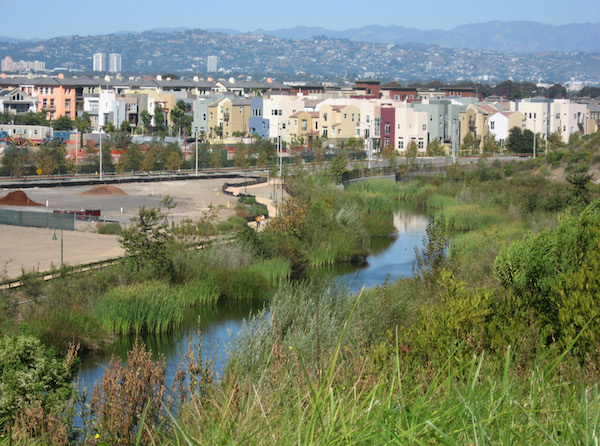
Academic Seminar Series: Cities and Climate Change
Join ACC for 'Cities and Climate Change' a four-part academic seminar series.



Join ACC for 'Cities and Climate Change' a four-part academic seminar series.
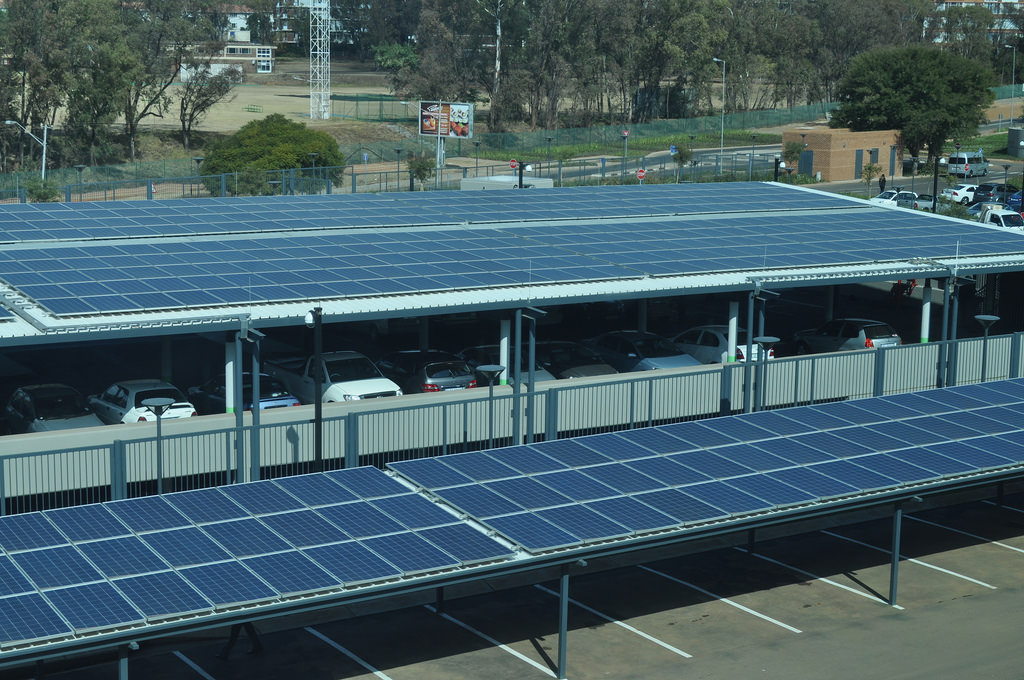
The second seminar in the Cities and Climate Change series will explore low carbon urban energy transitions in (mostly South) African cities, paying particular attention to the institutional dimensions of transforming energy systems to increase energy access and increase sustainability by reducing GHG emissions in growing cities. In the 20th century, grid electric power radically changed the face of household and community services, industry and commerce. Influence over the electricity grid by powerful human actors also enabled establishment and maintenance of fundamental social and economic structures. However, such influence has not remained uni-directional. The grid, too, has come to influence powerful human actors in ways probably not intended. Hilton Trollip will discuss Hodder’s (2014) use of the ‘entanglement’ concept with reference to analysis of historic and recent developments in South Africa’s energy system. Saul Roux will discuss research conducted within the Mistra Urban Futures - Knowledge Transfer Programme (MUF-KTP), which involved spending three years in the City of Cape Town, embedded in its Energy and Climate Change Unit, focussing on the conditions under which energy systems transition to more sustainable configurations, through an exploration of the City’s electricity distribution system. Theoretically, the study is situated within debates on socio-technical transitions and the multi-level perspective (MLP) of socio-technical change. Overall, the study explored the implications of applying the multi-level perspective to cities (scale) in the Global South (geographical context) and examines and the role of regulatory and organisational conditions in shaping sustainable transitions. Anton Cartwright will bring these inputs into conversation with seminar participants around questions of governing low carbon, sustainable and inclusive transitions in African cities. Hodder, I., 2014. The Entanglements of Humans and Things: A Long-Term View. New Literary History, 45(1), pp.19–36. Available at:http://muse.jhu.edu/content/crossref/journals/new_literary_history/v045/45.1.hodder.html. Speakers Hilton Trollip, senior researcher in energy policy, Energy Research Centre Saul Roux, legal campaigner, Centre for Environmental Rights (previously ACC Mistra Urban Futures embedded researcher with City of Cape Town) Chair & discussant Anton Cartwright, institutional economics research fellow, African Centre for Cities WHEN: 15 May 2018 TIME: 15:00 - 16:30 WHERE: Studio 3, Environmental and Geographical Science Building, Upper Campus, UCT
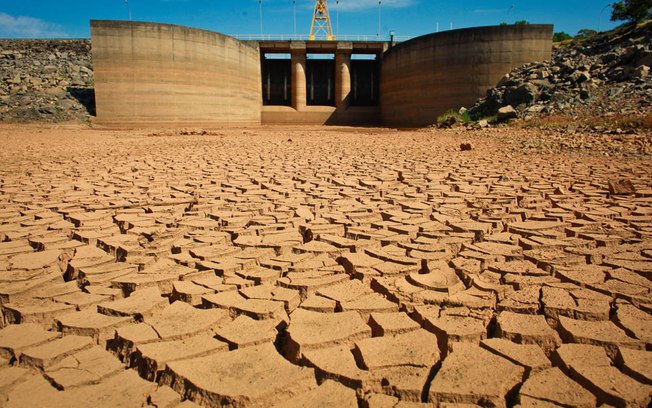
Nate Millington will present a talk entitled Making sense of our water crisis: what can we learn from São Paulo? as part of our on-going series on Cities and Climate Change on 28 May 2018, at 15:00 to 16:30 in Studio 3, Environmental and Geographical Science Building, Upper Campus, UCT. Both Cape Town and São Paulo have recently been marked by drought-induced water crises, as pre-existing infrastructures were forced to confront changing climates, continued growth, and infrastructural breakdown. These dynamics coexist in intimate ways with long histories of auto-construction, heterogeneous infrastructural development, and uneven water security. While water insecurity has long marked cities in the global south, multi-year droughts have resulted in water crises in southern cities with previously robust water management systems. Experiences of citywide scarcity in these two cities point to the increasing regularity and visibility of persistent water crisis at the global level, which is drawing new actors into new coalitions and reconfiguring existing governance patterns. The intensity of the droughts that affected São Paulo in 2013-2015 and Cape Town in 2015-17 are undoubtedly outliers, but when situated in multi-year frameworks the trends seem to suggest that water patterns in both cities are shifting in line with expanded water use and increased urbanization. This has implications not just for São Paulo and Cape Town, but also for southern cities where water insecurity is more chronic. In this seminar, we think comparatively about São Paulo’s experience of crisis and its implication both for Cape Town as well for cities more generally. We ask how São Paulo’s experience with scarcity helps us to think through and make sense of Cape Town’s ongoing crisis. At the same time, we are interested in thinking comparatively about the differences in how the two cities responded. Ultimately, our intention is to think both globally and locally: to put two these two cities in conversation while being clear that global climate change is a planetary phenomenon. Speaker: Nate Millington Discussant: Anna Taylor Chair: Gina Ziervogel WHEN: 28 May 2018 TIME: 15:00 to 16:30 VENUE: Studio 3, Environmental and Geographical Science Building, Upper Campus, Cape Town
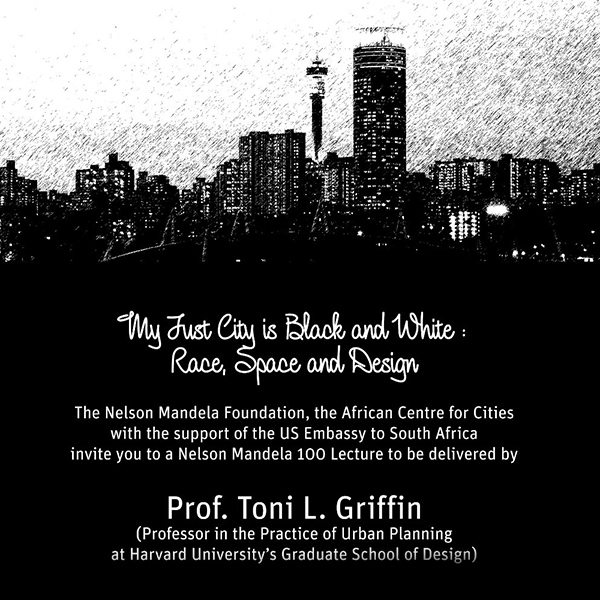
The Nelson Mandela Foundation along with African Centre for Cities and the US Embassy in South Africa are hosting a Nelson Mandela 100 Lecture to be delivered by Prof Toni L. Griffin entitled My Just City is Black and White: Race, Space and Design.