CityLab Symposium

Studio 3 ENGEO Building, Upper Campus. University of Cape Town,, Cape Town, Western Cape, South Africa

The African Centre for Cities’ CityLab programme facilitates the co-production of policy-relevant knowledge to reduce urban poverty through the engagement of researchers, government officials and civil society. Started in 2008, the CityLab programme created a platform for interaction between practitioners and researchers and has generated a wide range of different kinds of knowledge on Cape Town. The CityLab programme also became a core component of Mistra Urban Futures, a network of institutions involved in the co-production of urban knowledge in five cities around the world. Please join us in reflecting on the Sustainable Human Settlements CityLab, the Urban Violence, Safety and Inclusion CityLab, the Healthy Cities CityLab and the Public Culture CityLab. The co-ordinators of the CityLabs, Dr Warren Smit, Dr Mercy Brown-Luthango, Dr Rike Sitas and Liza Cirolia, will present key findings from the CityLab process, followed by a discussion and a light lunch. The symposium will be hosted on 18 August in Studio 3 in the Environmental and Geographical Sciences building on Upper Campus at UCT, from 10h00 to 13h00, followed by lunch. Please RSVP to Rike Sitas on rike.sitas@uct.ac.za by 12 August 2016 CityLab_Symposium_Invite

The Integrated City: Local Cultural Policy and Sustainable Integrated Urban Development

John Martin Room, New Engineering Building Upper Campus, University of Cape Town, Cape Town, South Africa

This seminar at UCT's African Centre for Cities looks to continue a set of dialogues around cultural governance and sustainable urban development in South Africa. It brings two processes together:  The Local Cultural Policy Agenda: South African cities are potential spaces for dynamic change as a result of being the nexus for flows of people and ideas. Culture is increasingly seen as significant in urban transformation.  A long-term approach to exploring innovative urban governance frameworks that forward the use of culture has been proposed as a research agenda. These speak to new national frameworks around integrated urban development as well as revisions to the Arts and Culture White paper. Integrating the Dual City:  The African Centre for Cities recent Integration and Ideas Festival continue a interest in the role of culture for sustainable development, putting forward a number of innovative provocations to address the dual city.  These included a strong focus on issues related to culture (memory, storytelling and identity), placemaking (densified, dynamic neighborhoods) and relationality (including through mobility, solidarity networks, "hubs", and the digital space). The seminar objectives Further a dialogue between researchers working in civil society and government concerned with the culture and its role in  urban transformation. To test the viability of a specific provocation - the UCLG Agenda 21 for Culture - Culture Actions: a framework for  governance that furthers the use of culture for sustainable development in cities -  against provocations at the recent  festival, and including engaging with practitioners. To identify possible future paths of inquiry and collaboration amongst researchers based in Cape Town with those elsewhere in South Africa. WHEN: 17 August 2018 TIME: 8.30 for 9:00-15:00 VENUE: John Martin Room, New Engineering Building, UCT RSVP: Places are limited. Please send an RSVP email with any dietary requirements to africancentreforcities.rsvp@gmail.com   PROGROGRAMME 8:30-9:00 Registration and coffee 9:00-9:30   Welcome, Introduction and Viewing of Exhibition Introduction.  Providing the input on Local Cultural Policy Agenda, responding to Integration ideas Festival and introducing the UCLG Agenda 21 for Culture Actions. Speaker: Zayd Minty 9:30-10:30 Cultural Narratives - Heritage, Creativity, Urban Change Working with memory and notions of heritage, building on local creativity, provide a powerful way to build meaning for citizens and so build sense of purpose. Why is this important for cities and what can we do about it? Presenters: Naomi Roux (UCT) and Valmont Layne (UWC) Respondent: Deirdre Prins-Solani (Education, Culture and Heritage Specialist) 10:30-11:00 Tea 11:00-12:00  Place Making and the potential of Socially Engaged Public Practise There is a growing need for thinking about denser, more livable spaces that are also more resonant and meaningful through socially engaged public art/practices.  How can local government make this happen? Presenters:  Rike Sitas (UCT) and Anna Selmeczi (UCT) Respondent: Brenda Skelenge (Lukhanyo Hub) 12:00-13:00  Cultural Mapping and Planning The CoCT's Cultural Mapping and Planning initiative provides an opportunity for communities to revalue their tangible and intangible assets and begin dialogues for community change.  How is this relevant for cities? Presenters: Vaughn Sadie (UCT/DUT) and Laura Nkula-Wenz (UCT) Respondent: TBC 13:00-14:00 Lunch 14:00-15:00  Closing discussion  Way forward for research, policy and practice agendas and support network.  Led by Avril Joffe (Wits)  

Whose Heritage Matters? Mapping, Making and Mobilising Heritage Values for Sustainable Livelihoods in Cape Town and Kisumu

Studio 1 Environmental and Geographical Sciences Building, Upper Campus, UCT, Cape Town, South Africa

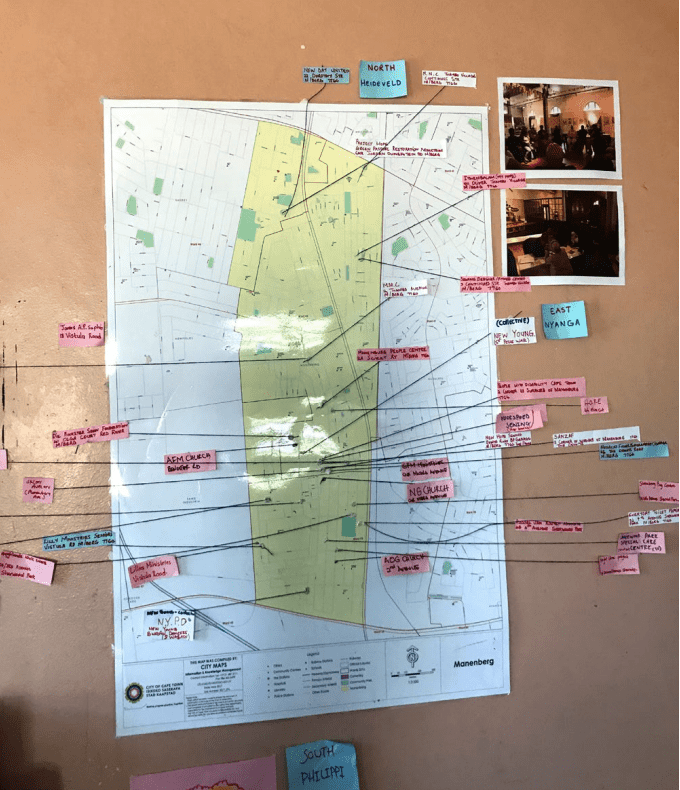
Cape Town and Kisumu are two secondary African cities with high levels of poverty, unemployment and inequality. There is much interest in developing sustainable approaches to harnessing tangible and intangible heritage to address these challenges. However, cultural heritage is a value-laden concept, particularly in the context of colonial histories and urban futures. Whose heritage matters? How can we negotiate competing and plural values? How can cultural heritage be mobilised to support sustainable livelihoods? Funded by the British Academy, this co-produced action research project will bring different stakeholders and communities together to map heritage values and develop creative interventions to harness tangible and intangible heritage for sustainable development’. This Brown Bag Seminar will introduce the project, and open up a conversation about the role and value of heritage in sustainable and just urban development. When: 10 April 2019 Time: 12:00 – 13:o0 Venue: Studio 1, Environmental and Geographical Science Building, Upper Campus, UCT

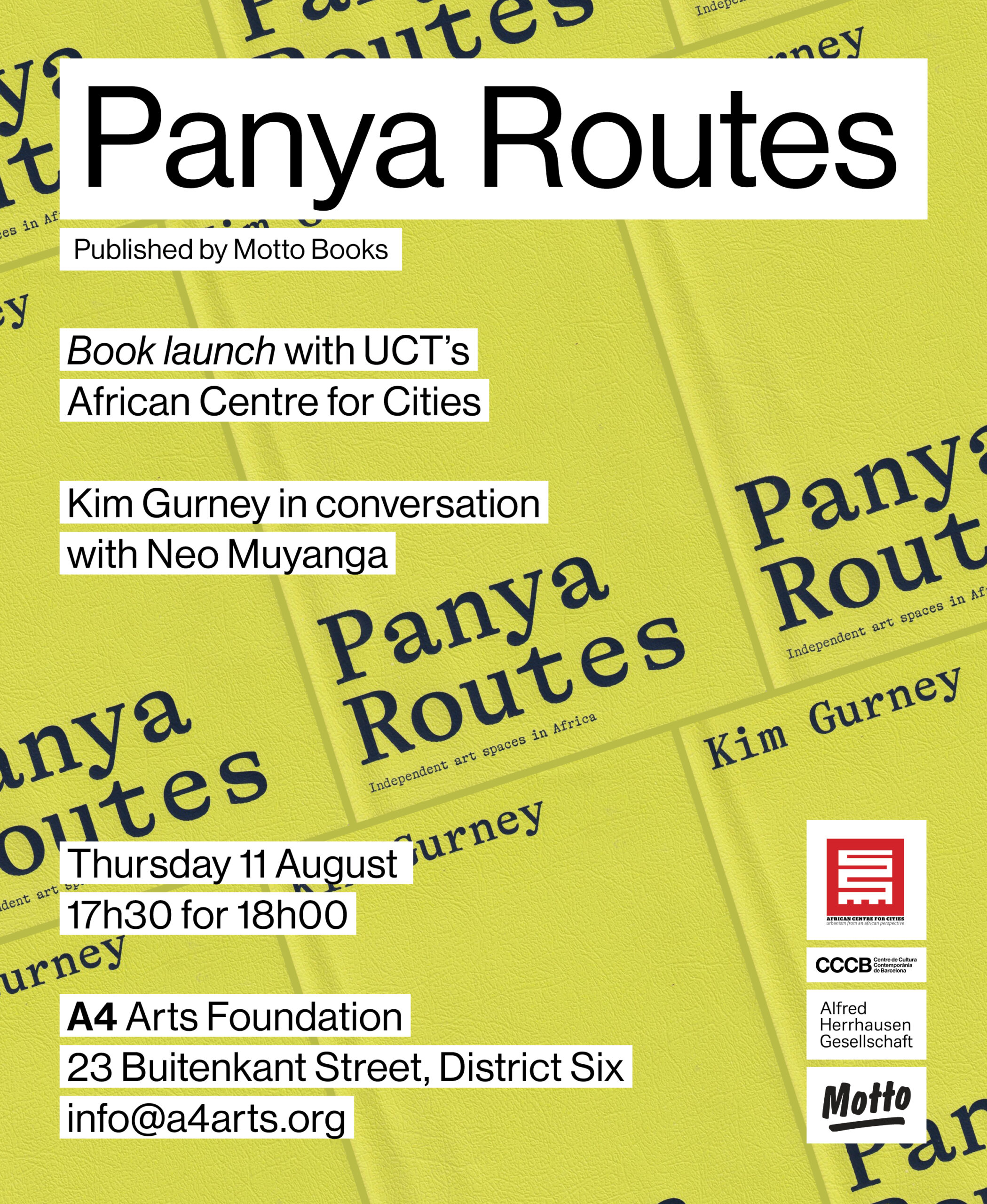
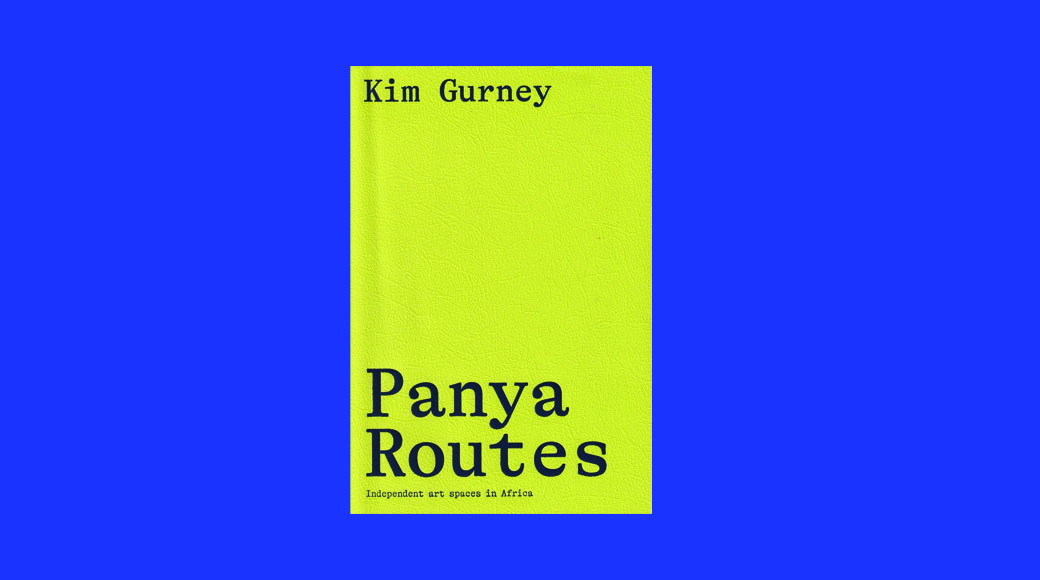
BOOK LAUNCH | Panya Routes by Kim Gurney

Join ACC for the launch of 'Panya Routes', published by Motto Books, which investigates the do-it-yourself, do-it-together working principles of independent art spaces on the continent. 

Power Talks Public Discussion

Join ACC and the Goethe Institut for a reflection session on Power Talks, a programme which explored the nuanced forms, dynamics and functions of power in creative and cultural sectors in South Africa. 

Lunchtime Lecture: Panya Routes – From platform to plotform

Join ACC and the Michaelis Galleries for a lunchtime lecture by Dr Kim Gurney on her latest book Panya Routes: Independent art spaces in Africa, on Thursday, 31 August 2023, 13:00-14:00 at the Michaelis Lecture Theatre.