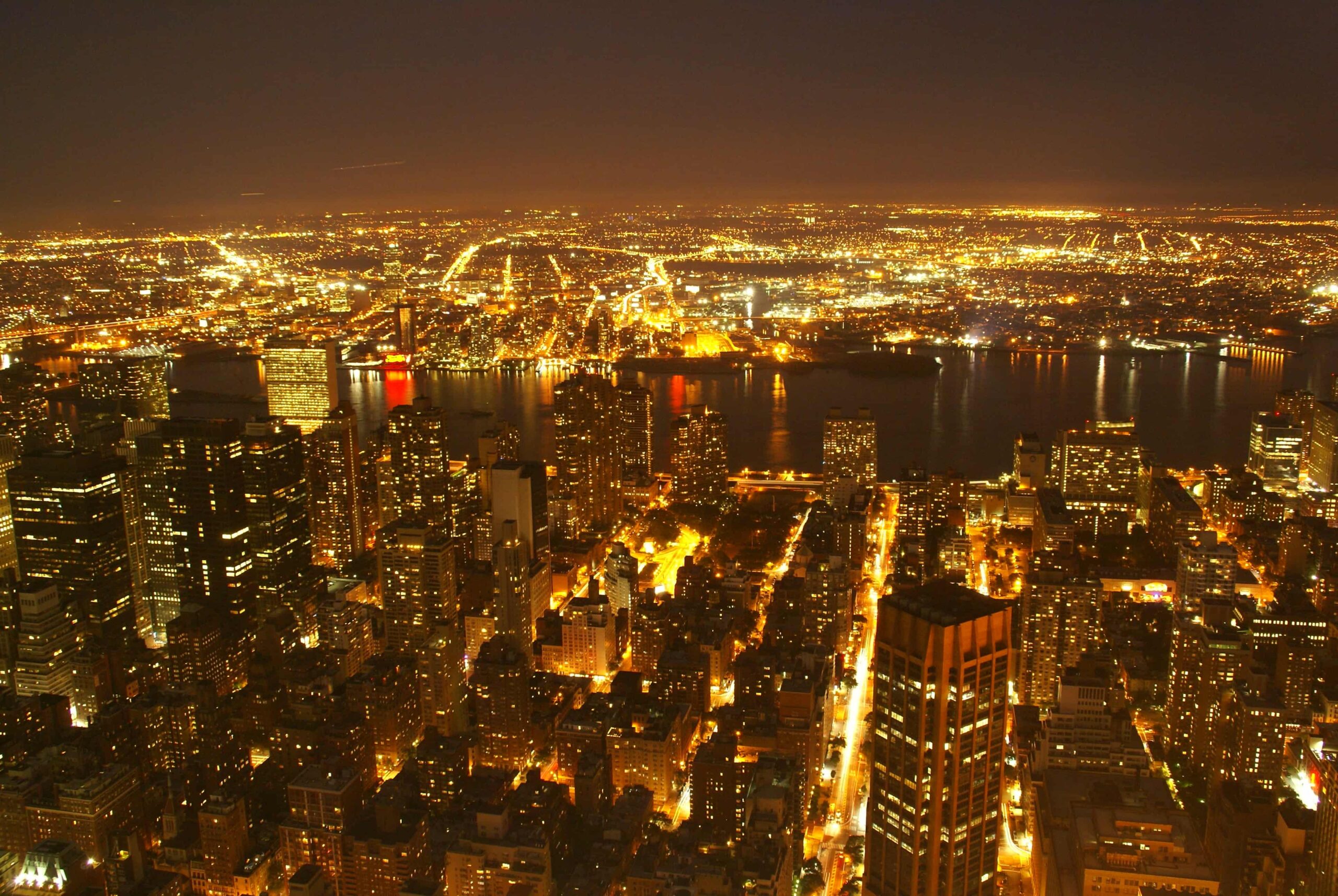



Tackling Lighting Inequalities: About Urban Lighting, Design and ‘the Social’ The ACC is excited to introduce Mona Sloane, a visiting scholar for the London School of Economics and Politics. Mona will be presenting her work on 'Configuring Light/Staging the Social', a research programme she founded at the LSE at the final brown bag of 2016. About the topic: Light is central to how people experience and use city spaces, and to how urban systems operate. Through light, we carve out spaces for social life. Light impacts on the public space in the crucial hours after dusk, enabling or problematizing social activity, economic and commercial development, security, safety and public order, access, participation and identification with urban public life. Furthermore, public lighting also has significant cost impacts on local authorities’ budgets while currently undergoing a massive technological revolution which puts it centre stage in a number of urban discussions, ranging from big data and urban governance, cutting down economic and environmental costs in relation to climate change and sustainable urban development, to aesthetics and city branding. This brown bag seminar discusses the of status public lighting and design in the UK and in London specifically. It outlines how public lighting is a barometer of developing socio-spatial inequalities in the urban context and allows rich insight into how urban inequalities are lived out and responded to. The speaker will suggest strategies for responding to these challenges. About the Speaker: Mona Sloane is a visiting academic at the ACC and a final-year PhD student in the LSE Department of Sociology. She is an ethnographer and works and publishes on the sociology of design, material culture, aesthetics and cultural economy as well as lighting design and public space. She holds an LSE PhD scholarship, an MSc in Sociology from the LSE and a BA in Communication and Cultural Management from Zeppelin University Friedrichshafen. She also is co-founder and former member of the LSE-based research programme Configuring Light/Staging the Social which explores the role of light and lighting in everyday life and urban design.
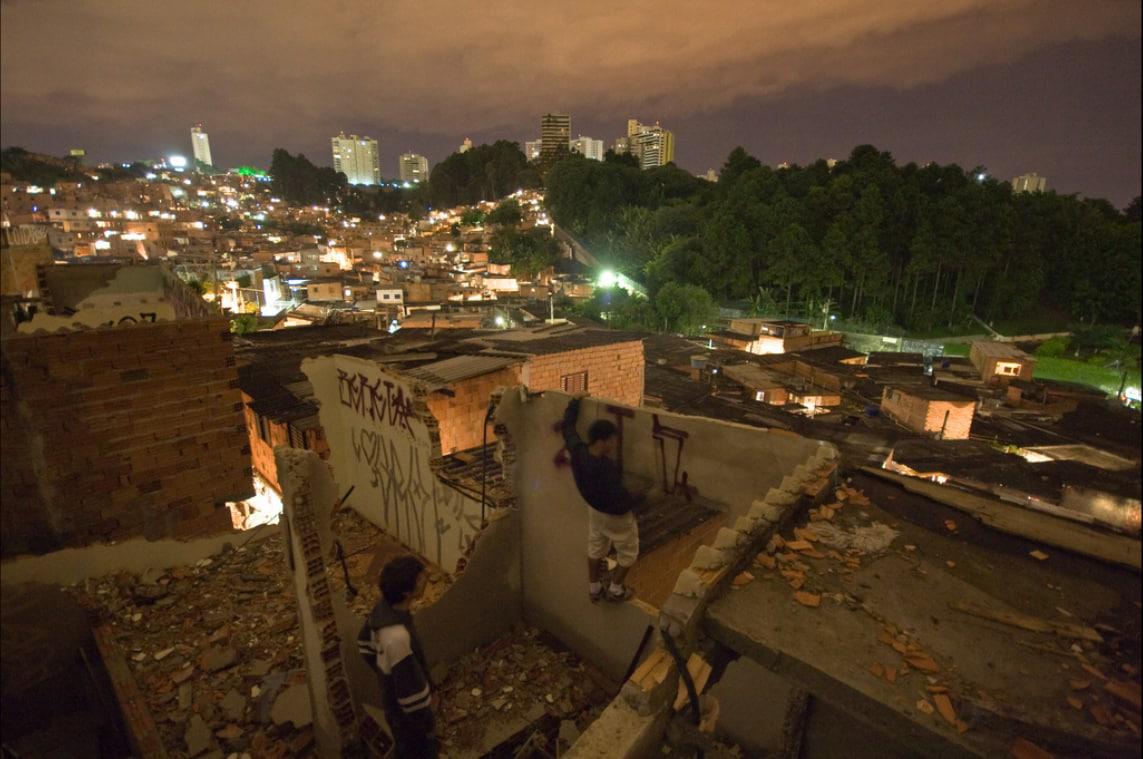
Image credit: Choque Fotos SPEAKER: Prof Teresa Caldeira DATE: 14 December 2016 TIME: 17:30 - 19:30 VENUE: Hiddingh Hall (2nd floor), UCT’s Hiddingh Campus, 31-37 Orange Street, Gardens (opposite the Labia Theatre), Cape Town, South Africa ACC is honoured to present a public lecture by Professor Teresa Caldeira (University of California, Berkeley) on the transformations of modes of collective life in São Paulo, Brazil, over the past two decades. About the topic: São Paulo’s peripheries, once exclusively the spaces where the poor working classes inhabited their autoconstructed houses, have changed considerably in the last two decades. They are now much more heterogeneous and their everyday dynamics are in need of new analyses. The mode of collective life based on autoconstruction, industrialism, migration, the dignity of labour, a certain hierarchy of gender roles, and the articulation of urban social movements has undergone profound changes. This talk explores the emerging mode of collective life that is being created in what are now much improved and diverse urban spaces. It is based on new modes of consumption, cultural production, protest, and circulation from the peripheries to the rest of the city. The transformed peripheries are fundamentally heterogeneous and new arrangements of domestic life and gender roles are at the core of their mutations. These transformations in modes of collective life happen not only in São Paulo, but also in several other autoconstructed metropolises across the global South. About the speaker: Professor Teresa Caldeira is an urban scholar from Brazil who teaches at the Department of City and Regional Planning at the University of California, Berkeley. She does research on urban violence, spatial segregation, and cultural production in cities of the global South, especially São Paulo.