Options for Reducing Violence in South African Cities

Seminar Room 1 Environmental & Geographical Sciences Building, UCT Upper Campus

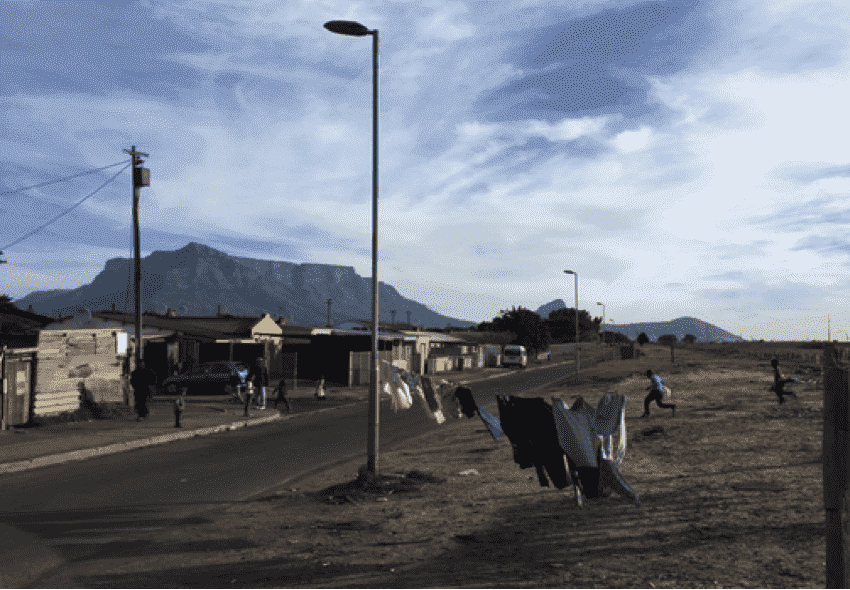
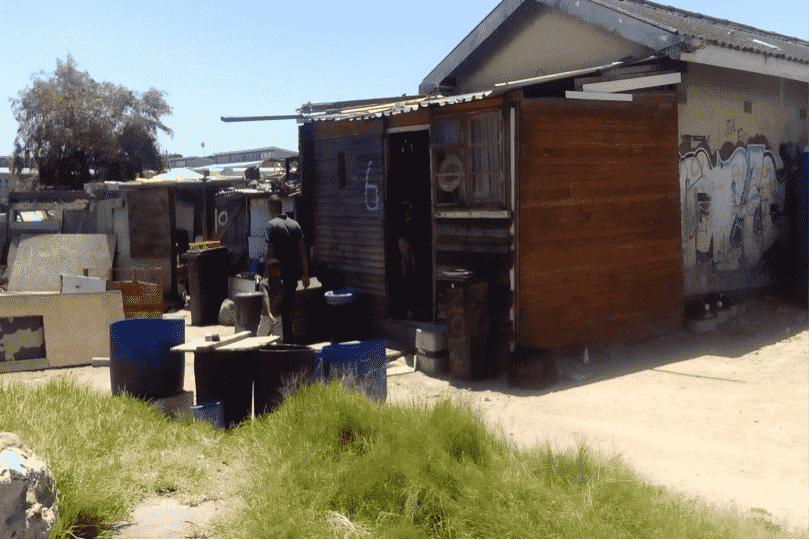
South Africa is home to some of the world’s most violent cities, with homicide rates well above global and national averages. While the homicide rate is a strong indicator of urban violence, it does not capture non-lethal violence, which is often hidden from public view, in the home or in institutions. In order to create safer spaces in which women, men, girls, and boys can live, policy makers and practitioners need to know which sort of interventions work, and which don’t. This event brings together findings from two lines of work, the African Centre for Cities’ research and analysis on the impact of informal settlement upgrading on safety and overall quality of life and the Safe and Inclusive Cities initiative which seeks to understand the drivers of urban violence and how they relate to poverty and inequalities. Discussion will focus on identifying concrete options for improving safety in South Africa’s cities. This event is free, but space is limited. Please RSVP to mercy.brown-luthango@uct.ac.za AGENDA 4:00 Welcome and opening remarks by Prof. Gordon Pirie (ACC) and Ms. Cam Do (IDRC) 4:20 Conversation with: Dr. Mercy Brown-Luthango, ACC – Improving Safety for Informal Settlement Dwellers: Urban Upgrading Dr. Hugo van der Merwe, CSVR – Reducing violence while reducing poverty: The Community Work Program Dr. Juan Pablo Pérez Sáinz, FLACSO-Costa Rica – Lessons for South Africa from Central America 5:10 Questions and Answers 6:00 Close Light refreshments will be served.   About the Presenters Dr. Mercy Brown-Luthango has a background in Sociology of Work and has an interest in the economics of land use planning and social mobilisation among poor communities. She has worked on a diverse range of research topics, including the “brain drain” in South Africa, labour practices on wine farms, gender relations in the workplace, and the effect of global restructuring in the wine industry on South African producers. Currently, Dr. Brown-Luthango is a Research Officer with the African Centre for Cities. Dr. Hugo van der Merwe is trained in Conflict Analysis and Resolution and specializes in issues of transitional justice in South Africa and the African continent. He has led several research projects evaluating the impact of local and national transitional justice processes. Currently, Dr. van der Merwe is the Head of Research at the Centre for the Study of Violence and Reconciliation in South Africa. Dr. Juan Pablo Pérez Sáinz is a Sociologist and expert in the labour market, poverty, and local economic development. He has published widely on these topics in addition to employment, globalization, social structures, and many others. Since 1981, Dr. Pérez Sáinz has worked as a researcher with FLACSO, the Faculdad Latinoamericana de Ciencias Sociales (Latin American Faculty of Social Sciences). He is currently based at FLACSO-Costa Rica.   The African Centre for Cities' work presented at this event is supported by the Inclusive Violence and Crime Prevention (VCP) programme which is implemented by Deutsche Gesellschaft für Internationale Zusammenarbeit (GIZ) GmbH. Safe and Inclusive Cities is a joint initiative of the UK’s Department for International Development and Canada’s International Development Research Centre.
Invitation to the 2nd Seminar in the Spatial Transformation CityLab Series

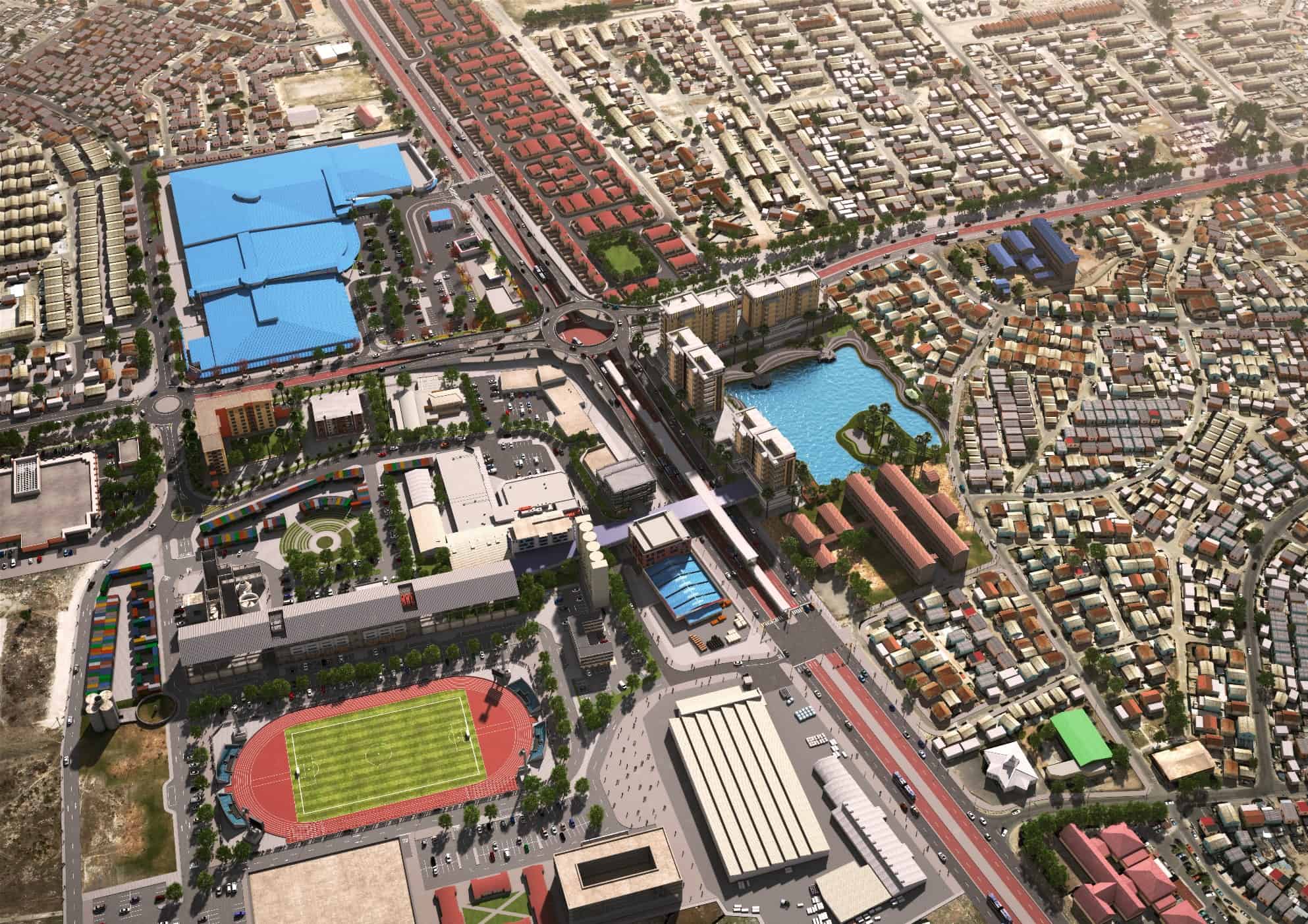
“The Voortrekker Road Corridor and the quest for Spatial Transformation” One of the key outcomes of the City of Cape Town’s Spatial Development Framework (2012) is the creation of an “inclusive, integrated and vibrant” city. Greater synergy between urban development and mobility through densification and the provision of quality public transport is considered to be central to the spatial and social restructuring of the city. In line with national policy imperatives, the City of Cape Town has identified two Integration Zones, the Metro-South East Corridor Integration Zone (MSEIZ) and the Voortrekker Road Corridor Integration Zone (VRCIZ) as critical tools for the realization of a more inclusive and integrated Cape Town. The primary objective of the VRCIZ, the focus of this CityLab seminar series, is to link the Bellville CBD with the boundary of the Metro South-East Corridor and the Cape Town CBD. The second seminar in the series will be devoted to a discussion of the City of Cape Town’s vision for the VRCIZ. Antony Marks from the City’s Spatial Planning and Urban Design department will present a detailed overview of the City’s intentions and plans; providing insight into some of the opportunities and challenges within the Corridor related to densification, integration and transport. Rob McGaffin, Senior Lecturer in UCT’s Construction Economics and Management department will share some reflections on the potential and viability of corridors, integration zones and transit-oriented development in particular, to achieve the desired transformation of the urban form. Please RSVP to Mercy Brown-Luthango on mercy.brown-luthango@uct.ac.za

Invitation to the 3nd Seminar in the Spatial Transformation CityLab Series

Studio 3 ENGEO Building, Upper Campus. University of Cape Town,, Cape Town, Western Cape, South Africa

The Role of Affordable Housing in advancing Socio-spatial Transformation in Cape Town Cape Town’s spatial organisation is characterised by fragmentation; expressed in a separation of residential and employment spaces and low density urban sprawl. This imposes a considerable cost on the State, the environment and increases the socio-economic burden and exclusion of a great majority of the city’s residents. The provision of affordable housing in well-located areas is critical in fostering integration and improving the social and economic conditions of poor households in Cape Town. The next seminar in the ACC’s Socio-Spatial Transformation Series will seek to unpack what “Affordable Housing” means in Cape Town; given the diversity of housing need in the city and will provide an overview of some of the available housing instruments. It will also consider how these speak to the imperatives of socio-spatial transformation and sustainability.   Speaker: Ms. Kahmiela August, Director of Affordable Housing - Western Cape Provincial Department of Human  Settlements Ms August is responsible for the management of the Affordable Housing Directorate, which incorporates Gap and the Rental Housing provision for persons earning between R1 500 – R3 500. The directorate is also responsible for Social Housing Programme. Functions include; project packaging, pipelining and approval, Integrated settlement planning, policy review and implementation.   The team is also overseeing the development of the departmental partnership strategy. Please RSVP to Mercy Brown-Luthango on mercy.brown-luthango@uct.ac.za

Neighbourhoods, NIMBYists and nobodies: the local politics of the Corridors of Freedom

African Centre for Cities UCT Upper Campus, Cape Town, South Africa

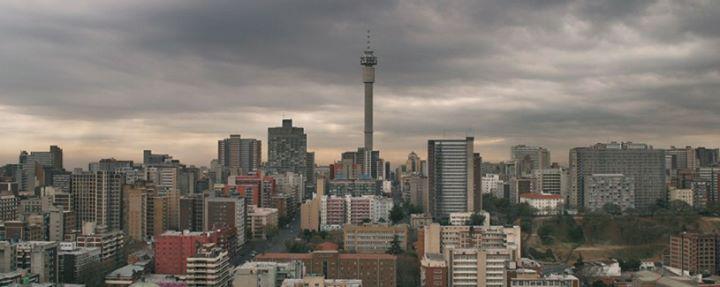
Venue:  Seminar Room 3, African Centre for Cities RSVP: Mercy Brown-Luthango at mercy.brown-luthango@uct.ac.za In 2013, Johannesburg’s former mayor, Parks Tau, announced the ambitious Corridors of Freedom plan to ‘restitch’ Johannesburg through a process of transit-oriented development led by the BRT and supported by a range of interventions intended to densify housing, stimulate economic opportunities, and develop mixed use activities. While the plan envisions large-scale transformation through long-term infrastructure investments, the implementation of the COF has had an immediate and substantial impact at a local level. The various responses of Johannesburg communities have revealed localized governance dynamics and complex relationships with the City and the state, speaking to significant socio-spatial politics in the city. Based on a survey and key informant interviews the seminar reflects on community organization (or lack thereof); the role of individual and organizational intermediaries; and tactics of engagement with the state. It focuses on three case studies in Johannesburg: Orange Grove and Norwood – a mixed middle class and low-income node on the Louis Botha Corridor; Westbury and Coronationville – a historically coloured area on Empire-Perth Corridor struggling with gang violence, drug abuse and high levels of unemployment; and Marlboro South – an informal community living in reterritorialised industrial buildings adjacent to the historic township of Alexandra. We argue that the Corridors of Freedom project has had a substantial impact on local politics and has revealed significant social and spatial community dynamics across Johannesburg. This seminar forms part of a research partnership between the AFD, City of Johannesburg and the South African Research Chair in Spatial Analysis and City Planning at the University of the Witwatersrand. About The Speakers Margot Rubin is a senior researcher and faculty member in the University of the Witwatersrand (South African Research Chair in Spatial Analysis and City Planning) in Johannesburg. Since 2002, she has worked as a researcher, and policy and development consultant focusing on housing and urban development issues, and has contributed to a number of research reports on behalf of the National Department of Housing, the Johannesburg Development Agency, SRK Engineering, World Bank, Ekurhuleni Metropolitan Municipality and Urban LandMark. Her PhD in Urban Planning and Politics interrogates the role of the legal system in urban governance and its effect on the distribution of scarce resources and larger questions around democracy. She also holds a Masters in Urban Geography from the University of Pretoria, an Honours degree in Geography and Environmental Studies and a Bachelor of Arts in Geography and Philosophy. Of late, Margot has been writing about inner city regeneration, housing policy and is currently engaged in work around mega housing projects and issues of gender and the city. Alli Appelbaum is researcher at the South African Research Chair in Spatial Analysis and City Planning (SA&CP) who holds a Masters in Regional and Urban Planning Studies (with distinction) from the London School of Economics and Political Science, as well as a Bachelor of Arts Honours in Urban History (in the first class) and a Bachelor of Arts in Politics and History (with distinction), both from the University of Cape Town. Her research interests are broad, meeting at the intersection of History, Geography, Urban Studies and Gender Studies. They include African urbanisms, discourse analysis, LGBT+ and gender issues, urban poverty reduction, informal trading, gated communities and urban governance. She is passionate about research that has impacts both within and beyond academia. At SA&CP she is the project manager for the AFD-funded Corridors of Freedom project, in which she is working with a team of researchers to aid the City of Johannesburg in their ambitious plan to ‘restitch’ Johannesburg, level apartheid spatial inequality and forge a more public-transport-oriented city. Before joining SA&CP, Alli worked in consulting and the NGO sector. She received a Commonwealth Scholarship through the Canon Collins Trust in 2014 to study for her Masters at LSE and she was a member of the South Africa Washington International Programme in 2012. She was recognised by the Mail & Guardian as one of South Africa’s ‘Top 200 Young South Africans’ in 2016.

Socio-Spatial Transformation Seminar Series: TOD in Cape Town

Studio 3 ENGEO Building, Upper Campus. University of Cape Town,, Cape Town, Western Cape, South Africa

The next seminar in the ACC’s Socio-Spatial Transformation Seminar Series will take a closer look at the City of Cape Town’s plans for Transit-Oriented Development (TOD).