Travels between the digital and material: Curating the gendered city from the margins
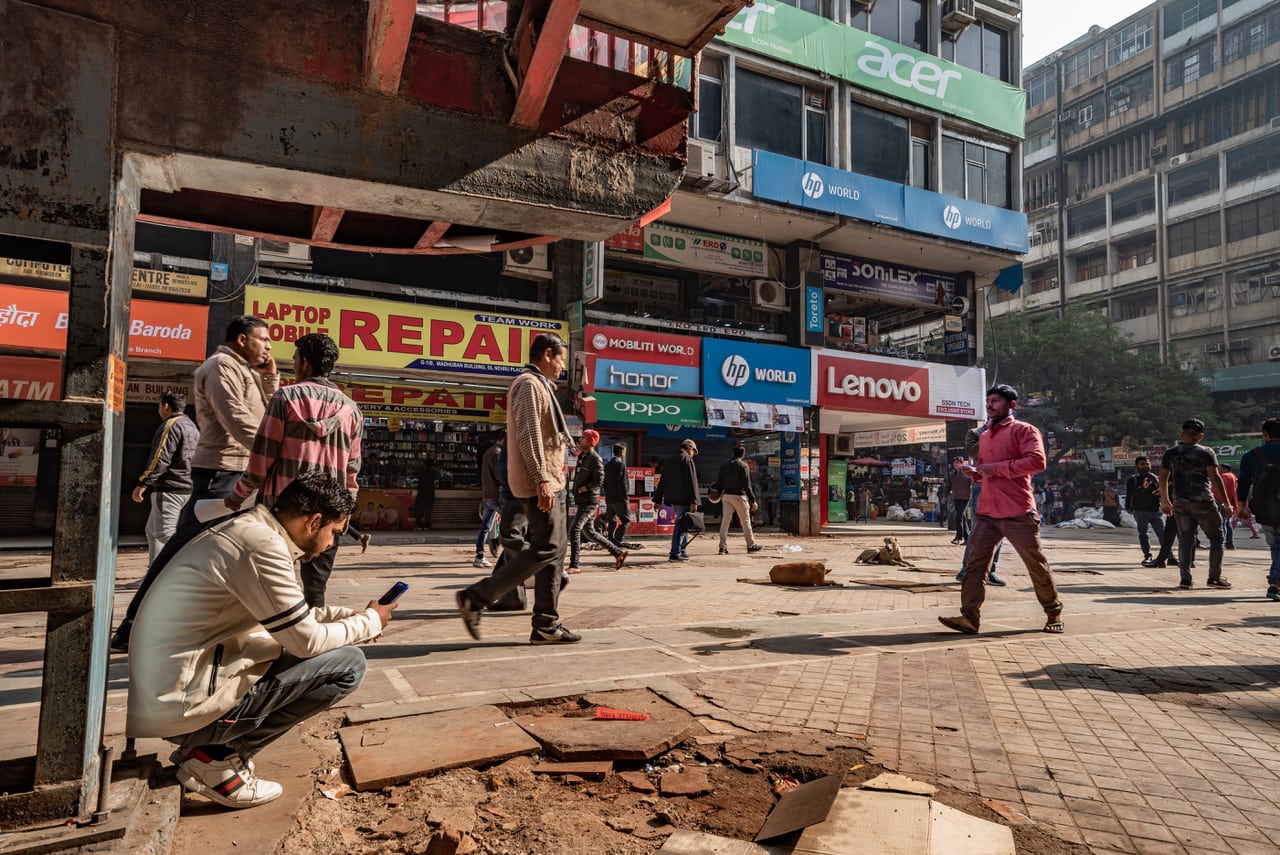
Room 3.33, Centlivres Building, Upper Campus, UCT Berlin , GermanyThe School of Architecture, Planning and Geomatics is hosting Ayona Datta, who will present Travels between the digital and material: Curating the gendered city from the margins on Friday, 1 November at 13:00 in Room 3.33, Level 3, Centlivres Building, Upper Campus, UCT. This talk presents a gendered perspective of Delhi’s urban future produced and curated by young women living in slum resettlement colonies in the peripheries. Using the metaphor of #aanajaana as a paradigm for postcolonial urbanism, this paper argues that their everyday mobility across the home and the city reflect the paradox of belonging and exclusion in a digital urban age. The paper captures the ambiguities and paradoxes of their lives – on the one hand living as second generation rural migrants forcefully evicted from the city slums in the 2000s and resettled in the peripheries. On the other hand, as millennials with increased access to mobile and communication technologies, these women are also riding the digital urban age with promises of their inclusion in the future city. Using WhatsApp diaries entries of multimedia content (audio recordings, photographs, videos and text messages by women), conversations between the women and researchers as well as observations of the dynamics within the WhatsApp group over a period of 6 months, I suggest that #AanaJaana highlights the inherent slow violence of living between material and digital exclusions from the city. BIOGRAPHY Ayona Datta is a Professor in the Department of Geography at University College London. Her broad research interests are in postcolonial urbanism, smart cities, gender citizenship and urban futures. In particular, she is interested in how cities seek to transform themselves through utopian urban visions of the future and their impacts on everyday social, material and gendered geographies. She uses interdisciplinary approaches from architecture, planning, feminist and urban geography, combining qualitative, digital/mapping and visual research methods to examine urbanisation and urban development as experiments in urban ‘futuring’. For her contributions to an understanding of smart cities through fieldwork she received the Busk Medal from the Royal Geographical Society (with IBG) in 2019.