Academic Seminar Series: Cities and Climate Change
Studio 3 Environmental and Geographical Sciences Building, Upper Campus, UCT, Cape Town , South AfricaJoin ACC for 'Cities and Climate Change' a four-part academic seminar series.



Join ACC for 'Cities and Climate Change' a four-part academic seminar series.
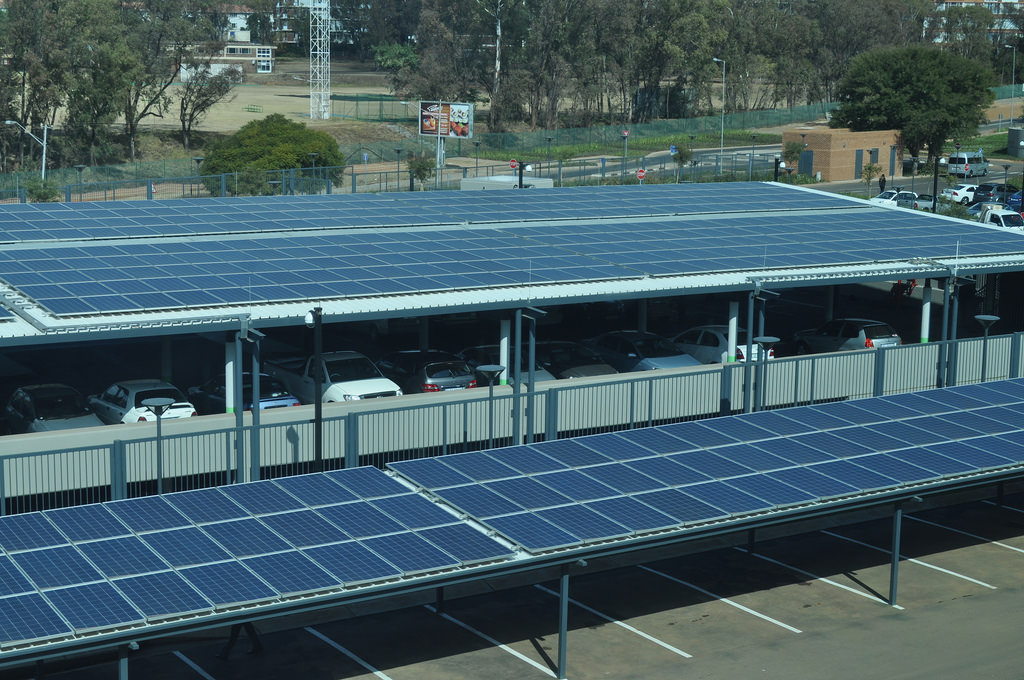
The second seminar in the Cities and Climate Change series will explore low carbon urban energy transitions in (mostly South) African cities, paying particular attention to the institutional dimensions of transforming energy systems to increase energy access and increase sustainability by reducing GHG emissions in growing cities. In the 20th century, grid electric power radically changed the face of household and community services, industry and commerce. Influence over the electricity grid by powerful human actors also enabled establishment and maintenance of fundamental social and economic structures. However, such influence has not remained uni-directional. The grid, too, has come to influence powerful human actors in ways probably not intended. Hilton Trollip will discuss Hodder’s (2014) use of the ‘entanglement’ concept with reference to analysis of historic and recent developments in South Africa’s energy system. Saul Roux will discuss research conducted within the Mistra Urban Futures - Knowledge Transfer Programme (MUF-KTP), which involved spending three years in the City of Cape Town, embedded in its Energy and Climate Change Unit, focussing on the conditions under which energy systems transition to more sustainable configurations, through an exploration of the City’s electricity distribution system. Theoretically, the study is situated within debates on socio-technical transitions and the multi-level perspective (MLP) of socio-technical change. Overall, the study explored the implications of applying the multi-level perspective to cities (scale) in the Global South (geographical context) and examines and the role of regulatory and organisational conditions in shaping sustainable transitions. Anton Cartwright will bring these inputs into conversation with seminar participants around questions of governing low carbon, sustainable and inclusive transitions in African cities. Hodder, I., 2014. The Entanglements of Humans and Things: A Long-Term View. New Literary History, 45(1), pp.19–36. Available at:http://muse.jhu.edu/content/crossref/journals/new_literary_history/v045/45.1.hodder.html. Speakers Hilton Trollip, senior researcher in energy policy, Energy Research Centre Saul Roux, legal campaigner, Centre for Environmental Rights (previously ACC Mistra Urban Futures embedded researcher with City of Cape Town) Chair & discussant Anton Cartwright, institutional economics research fellow, African Centre for Cities WHEN: 15 May 2018 TIME: 15:00 - 16:30 WHERE: Studio 3, Environmental and Geographical Science Building, Upper Campus, UCT
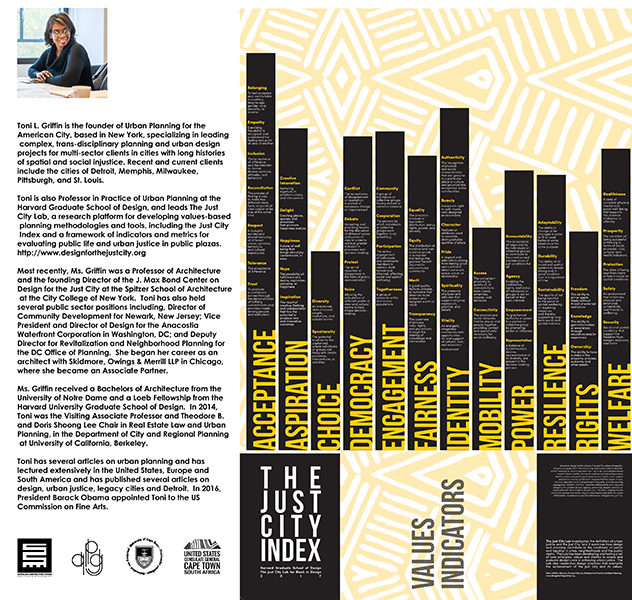
Join African Centre for Cities and the School of Architecture, Planning and Geomatics for a lunch time seminar by Prof Toni L. Griffin on 6 June 2018, from 13:00-14:00 in Room 3.33, Centlivres Building, Upper Campus, University of Cape Town. Griffin is the founder of Urban Planning for the American City, based in New York, specialising in leading complex, trans-disciplinary planning and urban design projects for multi-sector clients in cities with long histories of spatial and social injustice. Recent and current clients include the cities of Detroit, Memphis, Milwaukee, Pittsburgh, and St. Louis. She is also Professor in Practice of Urban Planning at the Harvard Graduate School of Design, and leads The Just City Lab, a research programme for developing values-based planning methodologies and tools, including the Just City Index - a framework of indicators and metrics for evaluating public life and urban justice in public spaces.
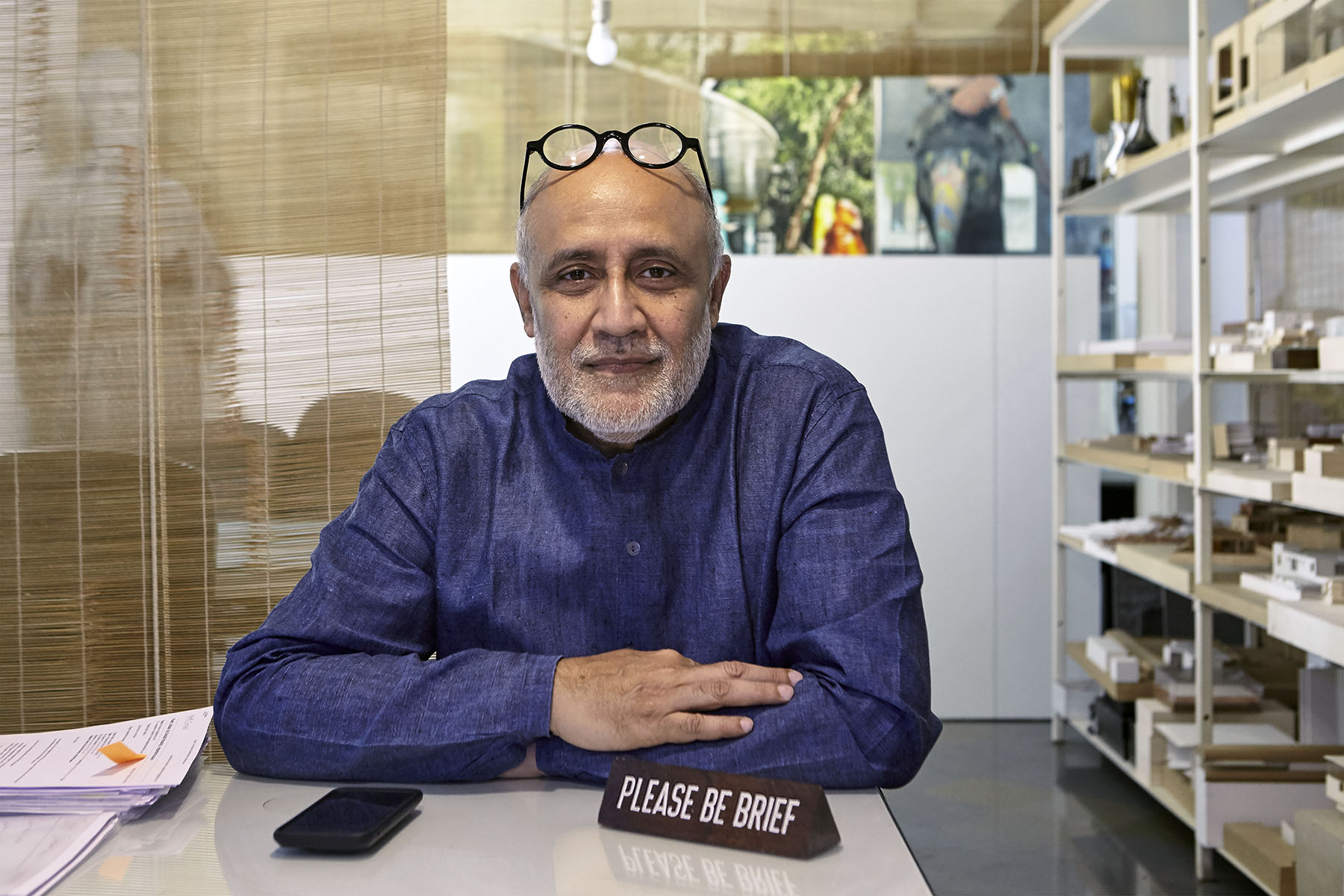
Rahul Mehrotra, Professor of Urban Design and Planning at the Harvard Graduate School of Design, will give a public lecture entitled Soft Thresholds - RMA Architects, Mumbai, co-hosted by African Centre for Cities, UCT Architecture, Planning and Geomatics, UWC Centre for Humanities Research and Wolff Architects. Mehrotra, who recently received a Special Mention at the 2018 Venice Architecture Biennale, is a practicing architect, urban designer, and educator. His Mumbai-based firm, RMA Architects, was founded in 1990 and has designed and executed projects including government and private institutions, corporate workplaces, private homes, and unsolicited projects driven by the firm’s commitment to advocacy in the city of Mumbai. The firm has designed a software campus for Hewlett Packard in Bangalore, a campus for Magic Bus (a NGO that works with poor children), led the restoration of the Chowmahalla Palace in Hyderabad, and formulated a conservation master plan for the Taj Mahal with the Taj Mahal Conservation Collaborative. The firm also recently designed and built a social housing project for 100 elephants and their caretakers in Jaipur as well as a corporate office in Hyderabad. The firm has designed several single family houses in different parts of India and one in Karachi, Pakistan. Recently, Mehrotra completed the Lab of the Future on the Novartis Campus in Basel, Switzerland and in 2015 was a finalist in an international design competition for the Museum of Modern Art in Sydney. Mehrotra has written and lectured extensively on issues to do with architecture, conservation, and urban planning and design in Mumbai and India. His writings include coauthoring Bombay: The Cities Within, which covers the city’s urban history from the 1600s to the present; Banganga: Sacred Tank; Public Places Bombay; Anchoring a City Line, A history of the city’s commuter railway; and Bombay to Mumbai: Changing Perspectives. He has also coauthored Conserving an Image Center: The Fort Precinct in Bombay. Based on this study and its recommendations, the historic Fort District in Mumbai was declared a conservation precinct in 1995 – a first such designation in India. In 2000, he edited a book for the Union of International Architects, which earmarks the end of the last century and is titled The Architecture of the 20th Century in the South Asian Region. In 2011, Mehrotra wrote Architecture in India – Since 1990, which is a reading of contemporary architecture in India which he extended through an exhibition he cocurated titled The State of Architecture: Practices and Processes in India, at the National Gallery of Modern Art in Mumbai in Jan 2016. This was followed in 2018 by an exhibition titled: The State of Housing : Realities, Aspirations and imaginaries in India which showed between Jan and March 2018 and will travel over the next two years in India. Mehrotra is a member of the steering committee of the South Asia Institute at Harvard. In 2012-2015, he led a Harvard University-wide research project with Professor Diana Eck, called The Kumbh Mela: Mapping the Ephemeral Mega City. This work was published as a book in 2014. This research was extended in 2017 in the form of a book titled Does Permanence Matter? Mehrotra’s latest co- authored book is titled Taj Mahal : Multiple Narratives which was published in Dec 2017. His current research is on the small towns and emerging urban conglomerations in India and is expected to be published as book in late 2018. Rahul Mehrotra has long been actively involved in civic and urban affairs in Mumbai, having served on commissions for the conservation of historic buildings and environmental issues, with various neighbourhood groups and, from 1994 to 2004, as Executive Director of the Urban Design Research Institute in Mumbai. He studied at the School of Architecture, Ahmedabad (CEPT), and graduated with a master’s degree with distinction in Urban Design from Harvard University. He has taught at the University of Michigan (2003–2007) and at the School of Architecture and Urban Planning at MIT (2007–2010). From 2010 to 2015, he chaired the Department of Urban Planning and Design at the Harvard Graduate School of Design. WHEN: Tuesday, 31 July 2018 TIME: 16:00 to 17:30 VENUE: Baxter Theatre, Main Road, Cape Town RSVP: Space is limited. Please send an email to africancentreforcities.rsvp@gmail.com to secure your seat.
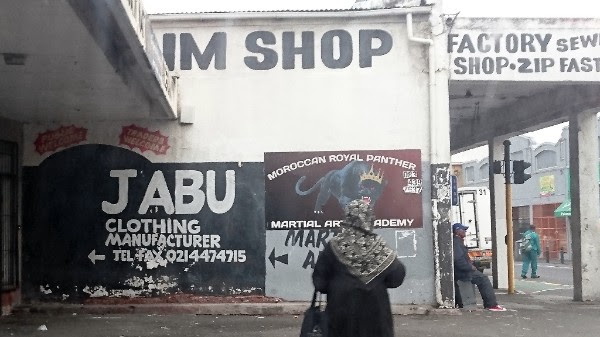
Academic Seminars (15:00 - 16:30) 7 August High Stakes, High Hopes: Creating Collaborative Urban Theory - Prof Sophie Oldfield 16 August Inclusive Cultural Governance: Integrating artistic and cultural practices into national urban frameworks - Avril Joffe with respondent Zayd Minty 30 August in search of thick mapping: listening to Cape Town's cities - Dr Sabina Favaro 18 September Vital Geopolitics - Gerry Kearns 20 September The invention of the 'Sink Estate': Consequential Categorization and the UK Housing Crisis - Dr Tom Slater 18 October Storytelling as method: migration, gender and inclusion in Durban - Dr Kira Erwin 1 November: Contextualising strategies to enable LGBT rights in Africa: legitimacies, spatial inequalities and socio-spatial relationships - Dr Andy Tucker 15 November Representing urban life in Africa and its diasporas - Dr Shari Daya and Dr Rike Sitas Brown Bags (13:00-14:00) 23 August 'Auditing' vernacular Cape Town as a sonic city - Valmont Layne 6 September pumflet: art, architecture and stuff - Ilze Wolff 27 September Speculative Indigeneity - A (K)new Now - heeten bhagat 11 October Conversations on cultural mapping and planning - Alicia Fortuin, Vaughn Sadie and Shamila Rahim 25 October False Bay - Dr Hedley Twidle
The rapidly growing number of people moving into cities all over the world presents a challenge of unprecedented size. It is crucial to find ways to make urbanisation a source for wealth, health and sustainability – which is shared. Mistra Urban Futures arranges Annual Conferences about Realising Just Cities, which are hosted at our research platforms. The 2018 conference will take place in Cape Town, South Africa and focus on comparative co-production and how we jointly can address global urban challenges. The conference intends to share and reflect on a selection of the comparative projects that have been co-produced in Mistra Urban Futures’ second phase: Cultural Heritage and Just Cities; Knowledge Transfer through embedded research; Migration and Urban Development; Participatory Cities; Solid Waste Management; Sustainable Development Goals; Transportation and Urban Development; Urban Food Value Chain and Urban Public Finance. Dates Internal workshops The internal workshops, only available for invited participants involved in Mistra Urban Futures' comparative projects, will be held on 5 November 2018. Find the internal programme here Conference The conference takes place on 6 and 7 November 2018. Find the programme here Follow the ACC social media channels for live reporting from the conference: Facebook Twitter
Bushbuckridge mayor embarks on debt collection exercise “The municipality has disclosed that it is owed R1 billion in unpaid municipal services such as water supply, refuse removal and property rates.” – Mpumalanga News, 1 October 2018 Heads Roll Amid VBS Municipal Probe “Cooperative Governance and Traditional Affairs (Cogta) Minister Dr Zweli Mkhize says several municipal officials have been suspended and in some instances, charged with fraud in relation to investments made in VBS Mutual Bank.” – AllAfrica.com 23 October 2018 Join African Centre for Cities on Monday, 19 November 2018, from 15:00 to 17:00 for a lecture by Dr Matthew Glasser on public finance. Across the globe, there is increasing emphasis on the role of cities and local government in delivering services, meeting the Sustainable Development Goals, addressing climate change, and equalizing opportunity. These assigned roles do not often translate into reality. Many South African municipalities are failing to provide effective services to their residents. Part of the reason for this are the regular financial crises which local governments face. Importantly, South Africa is one of very few countries in the world that has specific legislation intended to resolve fiscal problems at the municipal scale. This legislation is little known and little used. In 2000-2003, Dr Matthew Glasser helped develop the legislation regarding financial problems in municipalities, as reflected in Section 139 (as amended) of the Constitution, and Chapter 13 of the Municipal Finance Management Act. For the last two years, he has been working with National Treasury to take stock of the implementation of those provisions over the intervening 15 years. At this seminar, we will discuss the legal and regulatory framework that was developed to deal with financial emergencies in South African cities; review the experience to date with implementation of that framework; and reflect on the ways in which South Africa’s social and political context shapes local implementation. Glasser will discuss the genesis of the legislation, the divergence between legal framework and actual implementation, and the important Emalahleni litigation related to fiscal intervention in municipalities, which has set an important precedent in South Africa. There will be ample time to discuss the fiscal challenges of South African local and city government, following the lecture. WHEN: Monday, 19 November 2018 TIME: 15:00 to 16:30 VENUE: Studio 1, Environmental and Geographical Science Building, Upper Campus, UCT
The Global Development Institute is pleased to host Edgar Pieterse as part of the GDI Lecture Series, talking about: Ambitious and ambiguous public investments in African cities Urban governance in most African cities is marked by weak regulatory enablement by national governments, limited autonomous fiscal resources, limited managerial capacity, overlaid by distortionary politics—read a combination of clientelism, patronage, corruption, etcetera. At least, this is the conclusion one arrives at by reading most of the academic literature on the topic. However, in contradistinction, over the last decade or so, there has been a proliferation of ambitious planning and delivery, of especially, mega infrastructural projects. These developments coincide with the proliferation of mainstream incantations of “Africa rising” and other boosterism discourses. It raises important questions about how this level of institutional efficacy could be possible if the literature is accurate. In this talk I aim to report on the findings of a research project on so-called turn-around African cities. We set out to document how noteworthy urban mega projects came onto the agenda, were implemented, often effectively, and what the possible effects might be. The idea is to offer a set of empirical reflections, drawing on six African cities, to get a more refined understanding of contemporary urban planning and governance dynamics in rapidly changing and conflictual contexts. The Global Development Lecture Series brings experts involved in global development to The University of Manchester. It aims to facilitate dialogue and discussion, providing a space for leading development thinkers to share their latest research and ideas. Lectures are followed by an audience Q&A. This event is open to members of the public and information on the accessibility of the venue is detailed at this link: https://www.accessable.co.uk/venues/roscoe_th-b
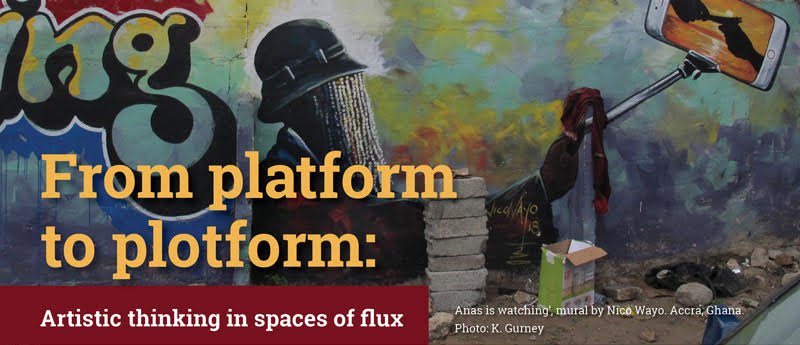
From platform to plotform: Artistic thinking in spaces of flux is a public talk in which ACC research associate Kim Gurney shares work in progress on her project called Platform/ Plotform to help forward future work and interdisciplinary outputs. The project explores working principles identified in participant independent art spaces in five African cities (Nairobi, Accra, Cairo, Addis Ababa and Dar es Salaam), and how the predominant forms and strategies of these selected spaces correspond to the urban fabric. The session, a joint effort between ACC and Centre for Humanities Research, will provide an overview of recently concluded fieldwork and some preliminary findings before opening up for discussion. WHEN: Tuesday, 28 May 2019 VENUE Seminar Room 2, Centre for Humanities Research, University of the Western Cape TIME: 14:00 to 15:00 RSVP: Please RSVP Micaela Felix at centreforhumanitiesresearch@uwc.ac.za
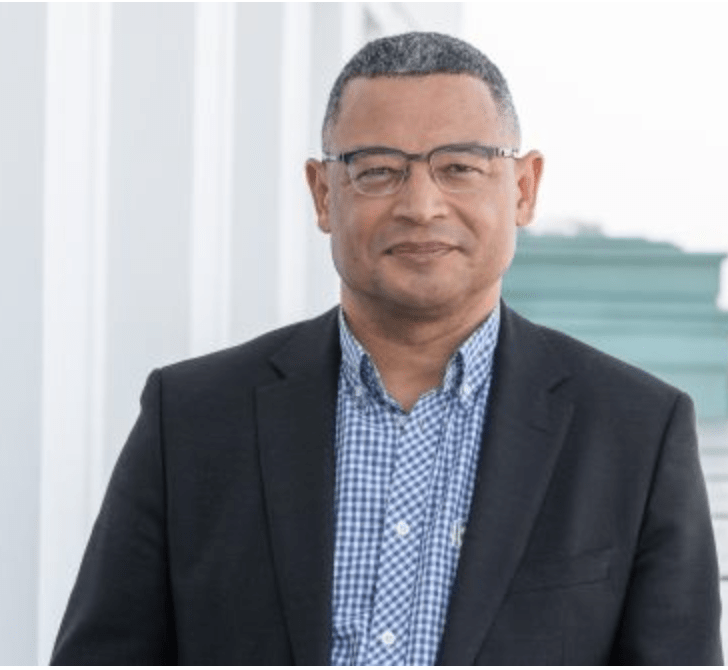
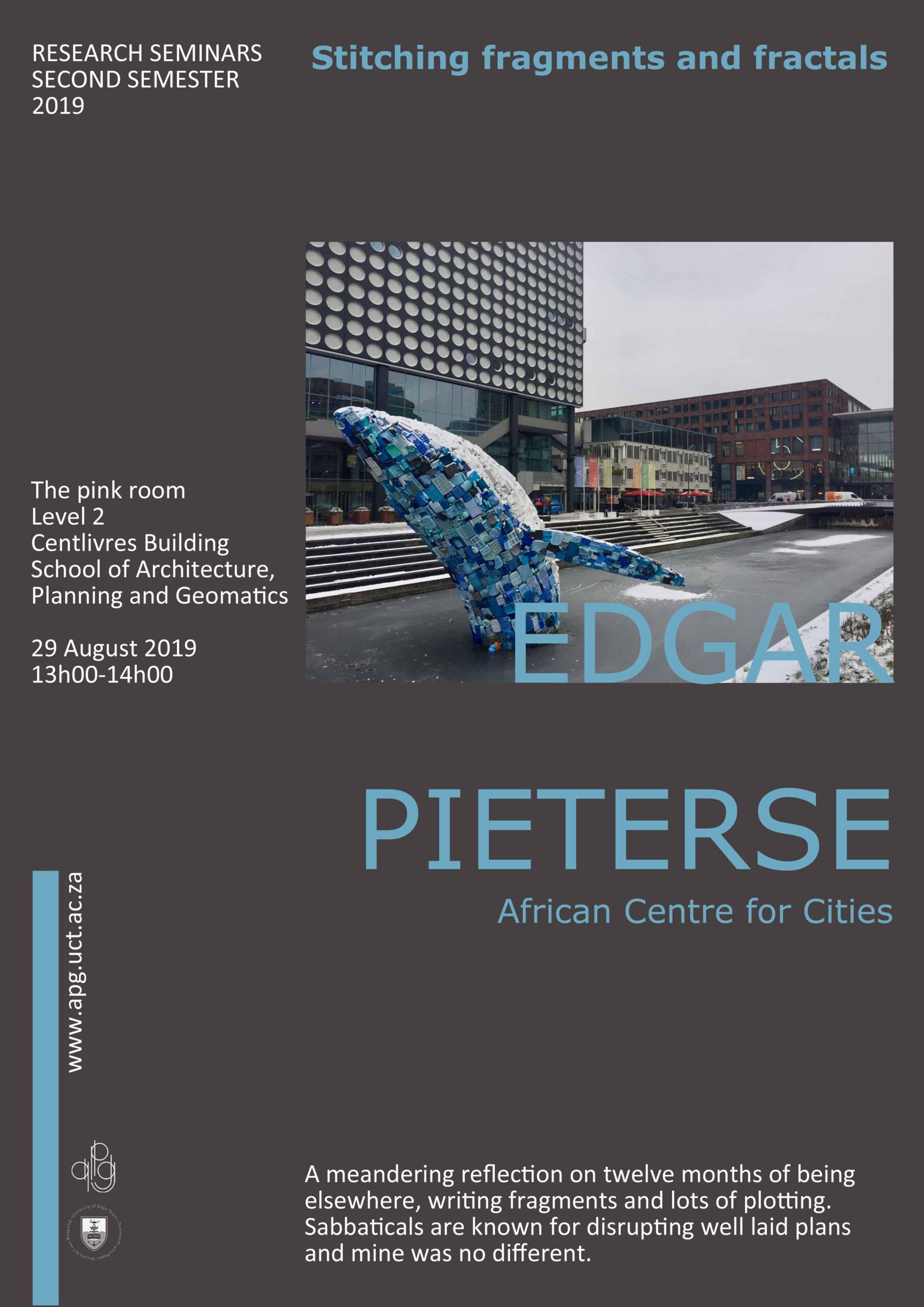
On 29 August 2019, the UCT School of Architecture, Planning and Geomatics is hosting Prof Edgar Pieterse, director of the African Centre for Cities. Pieterse recently returned from a year-long sabbatical and will be reflecting on this in his presentation Stitching fragments and fractals: A meandering reflection on twelve months of being elsewhere, writing fragments and lots of plotting. Sabbaticals are known for disrupting well laid plans and mine was no different. WHEN: 29 August 2019 TIME: 13:00 to 14:00 VENUE: The Pink Room, Level 2, Centlivres Building, Upper Campus, UCT